Mojtaba Khamenei Appointed as Iran's New Supreme Leader
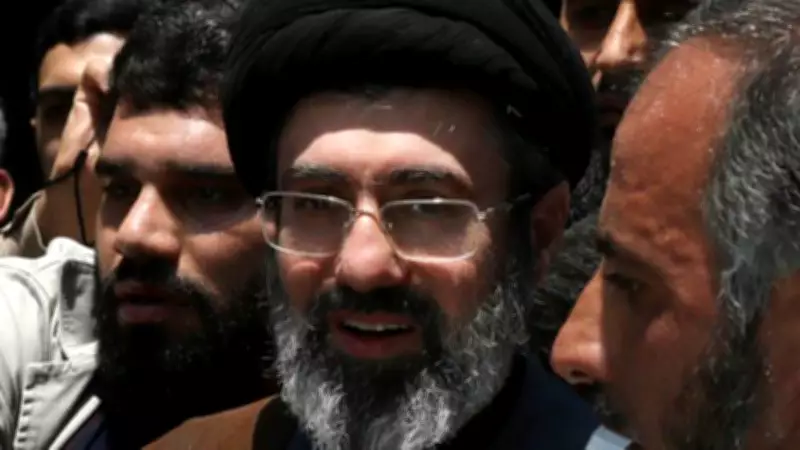
In a significant development, Iran has officially named Mojtaba Khamenei, the son of the former supreme leader, as his successor. This announcement, made on March 8, 2026, signals a continuation of the current regime's leadership structure amidst ongoing regional tensions and military conflicts.
Regime Continuity Amidst Regional Unrest
Military experts have noted that this appointment underscores the regime's resilience, describing it as "still very much intact" despite external pressures. The transition occurs as Iran grapples with the aftermath of strikes on oil facilities in Tehran, which have resulted in thick plumes of smoke filling the skies, exacerbating the already volatile situation in the Middle East.
The war in Iran has prompted international observers to closely monitor developments, with discussions emerging about potential NATO responses, including the invocation of Article 5. This geopolitical backdrop adds complexity to the leadership change, as Iran navigates both internal governance and external conflicts.

Implications for Iran's Future
The naming of Mojtaba Khamenei as supreme leader is expected to maintain the ideological and political direction set by his predecessor. Analysts suggest that this move could reinforce the regime's stance on various issues, from domestic policies to international relations, particularly in the context of the ongoing war.
As the conflict rages on, with reports of casualties and infrastructure damage, the new leadership will face immediate challenges in managing the crisis. The appointment may also influence Iran's interactions with global powers, shaping the trajectory of the Middle East conflict in the coming months.
This development highlights the enduring nature of Iran's political system, even as it confronts significant external threats and internal pressures. The world watches closely to see how Mojtaba Khamenei will steer the nation through these turbulent times.