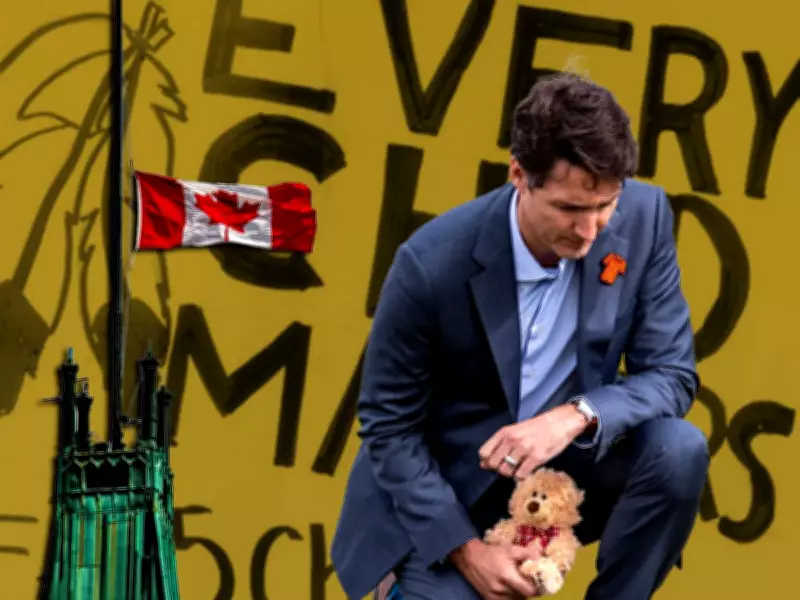
Wednesday marks the five-year anniversary of the announcement that hundreds of unmarked graves had been discovered at a former residential school site in Kamloops, B.C. — an announcement that made headlines around the world and ignited an emotional debate here at home around the legacy of residential schools. Since then, however, the initial claims about graves at the Kamloops site have been walked back, as has been the case with similar claims at other sites. No actual new burial sites have been confirmed or unearthed.
Interview with Terry Glavin
In this interview with Rob Breakenridge, author, journalist, and National Post columnist Terry Glavin argues that sensationalized reporting and political opportunism fuelled false and exaggerated claims of “mass graves” and other horrific crimes. That, he says, sparked widespread civil unrest and ultimately damaged the credibility of genuine residential school survivors.
Key Points
- The media failed to challenge the narrative of mass graves at residential schools.
- Claims of hundreds of unmarked graves have not been substantiated.
- Political opportunism and sensationalism fueled the controversy.
- The credibility of actual survivors has been undermined.
Glavin emphasizes that the media's irredeemable failure to question these claims has led to a loss of trust in journalism and has harmed the cause of reconciliation. He calls for a more critical approach to reporting on such sensitive issues.

The full video interview is available below, discussing the implications of this narrative and the need for accountability in media reporting.