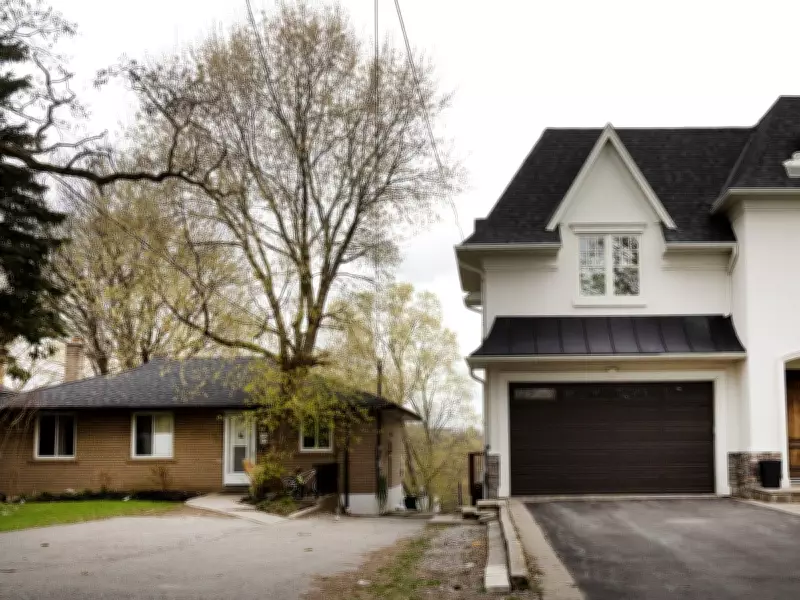
In March 2024, the city of Markham, located on Toronto's northern border, announced a nearly $60 million agreement with the federal government under the Housing Accelerator Fund. The deal aimed to boost housing supply in a suburb dominated by large single-family homes, with commitments to permit four residential units as-of-right citywide. However, what followed was a two-year saga highlighting the immense difficulty of adding density in established neighborhoods.
The Proposal and Its Challenges
Markham, a city of 375,000 residents, has long been characterized by expansive detached houses. The federal funding required the city to allow up to four units per property, including garden suites, coach houses, or basement apartments with separate entrances, kitchens, and bathrooms. While this built on a 2022 provincial law permitting three units, the additional allowance sparked fierce opposition.
Residents expressed concerns about parking, infrastructure strain, and neighborhood character. Public meetings drew large crowds, with many arguing that density would lower property values and disrupt community feel. City staff noted that since the provincial change, only 14 applications had been submitted for three-unit properties, with just four approved, underscoring the gap between policy intent and implementation.

Bureaucratic Hurdles and NIMBYism
The process revealed systemic barriers. Strict building codes, parking requirements, and zoning restrictions slowed approvals. Opposition from existing homeowners, often labeled NIMBYism, further complicated matters. The city council debated the bylaw for months, eventually passing a compromise that limited additional units to certain zones and imposed stricter design standards.
Scott Stinson, a journalist who followed the story, noted a billboard in September 2025 advertising a special public meeting. The meeting, livestreamed, featured city staff explaining the concept of additional residential units and their potential locations. The lack of progress despite the funding highlighted how even modest density increases face steep resistance.
Lessons for Housing Policy
Markham's experience serves as a cautionary tale for other municipalities seeking to address housing affordability through densification. While the federal government provided incentives, local politics and resident opposition delayed implementation. The slow pace of approvals and limited uptake suggest that financial carrots alone may be insufficient without stronger provincial or federal mandates to override local objections.
The story underscores a fundamental tension: everyone supports more housing in principle, but few want it next door. Addressing this will require not only funding but also political will to navigate community concerns and streamline regulations.