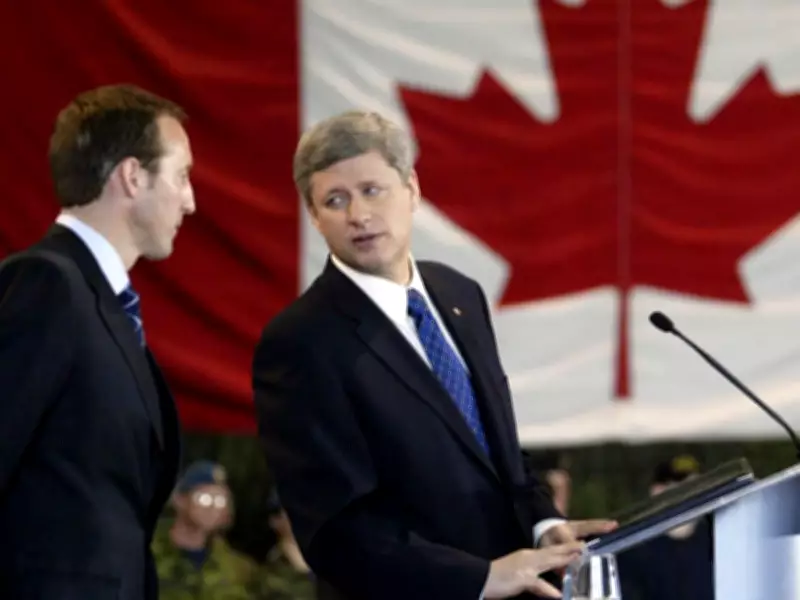
Peter MacKay Reflects on Harper Era as Conservatives Chart Future Path
As Conservative Party members convene in Calgary to deliberate on their political trajectory, this month also marks a significant milestone in Canadian political history. Twenty years have passed since the pivotal 2006 federal election that ushered in nearly a decade of Conservative governance under Prime Minister Stephen Harper. The timing of this anniversary offers a compelling opportunity for reflection on past achievements and future directions.
Parallels Between Past and Present Political Landscapes
The circumstances surrounding the 2006 Conservative victory bear striking resemblances to current political dynamics. That election followed a Liberal minority government established in 2004, which itself emerged after the resignation of a long-serving Liberal prime minister. These historical patterns provide valuable context as today's Conservatives analyze their position and strategize for upcoming electoral challenges.
Former Conservative cabinet minister and party co-founder Peter MacKay recently shared his insights on this anniversary during an interview with journalist Rob Breakenridge. MacKay's perspective carries particular weight given his instrumental role in the party's formation and his close working relationship with Harper throughout their time in government.

Contrasting Leadership Styles: Competence Versus Symbolic Politics
MacKay offered a pointed assessment of the Harper government's legacy, characterizing it as fundamentally grounded in practical competence and substantive governance. "Stephen Harper brought us competence," MacKay stated emphatically, drawing a clear distinction with what he perceives as the current Liberal approach to governance.
In contrast, MacKay suggested that the contemporary Liberal government prioritizes what he described as "virtue signalling" over tangible policy achievements. This critique frames a broader philosophical debate about the nature of effective governance and what qualities voters should prioritize when evaluating political leadership.
The Harper Legacy and Its Continuing Relevance
The interview explored several key aspects of Harper's tenure that MacKay believes remain relevant for today's Conservative movement. These include the strategic approach that brought the party to power in 2006, the policy framework that sustained their governance for nearly a decade, and the leadership qualities that defined Harper's administration.
MacKay's reflections come at a moment when the Conservative Party is actively engaged in both commemorating its past successes and planning for future electoral opportunities. The convergence of the Calgary gathering with the 2006 election anniversary creates a natural focal point for these discussions about political identity, strategic direction, and electoral messaging.
Lessons for Contemporary Conservative Politics
Beyond historical analysis, MacKay emphasized the practical lessons that today's Conservatives can extract from the 2006 victory and subsequent years in government. These insights touch on multiple dimensions of political strategy:
- The importance of presenting voters with clear, substantive policy alternatives
- The value of disciplined messaging that contrasts effectively with opponents
- The strategic timing required to capitalize on shifting political circumstances
- The balance between ideological principles and pragmatic governance
As the Conservative Party continues its deliberations in Calgary, MacKay's commentary provides both historical perspective and contemporary relevance. His characterization of Harper's competence versus Liberal virtue signalling frames a narrative that may influence how Conservatives position themselves in upcoming political debates and electoral campaigns.
The twentieth anniversary of the 2006 election serves not merely as a historical marker but as an opportunity for strategic reflection. For Conservatives seeking to return to government, understanding what worked in the past while adapting to present circumstances represents a crucial challenge as they chart their path forward in Canadian politics.