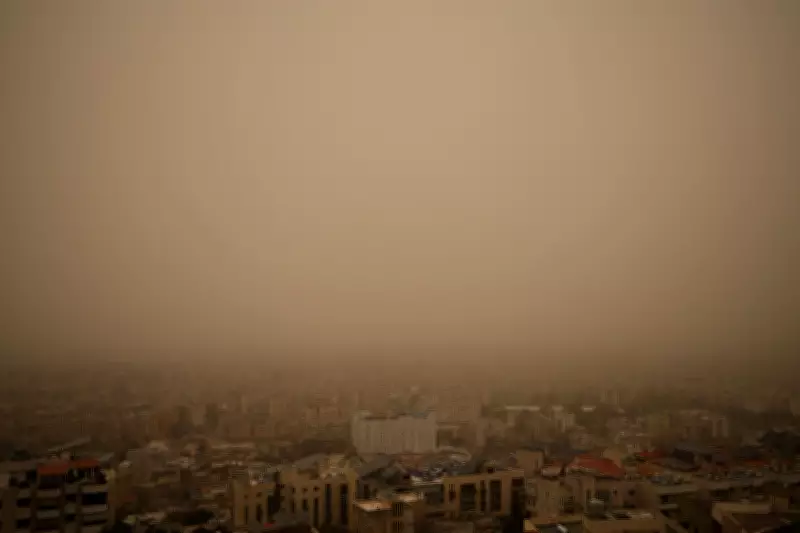
Lebanese government officials have released a sobering casualty report, confirming that Israeli military strikes conducted since March 2, 2026, have killed 826 people within the country's borders. The announcement comes as the region grapples with escalating hostilities and challenging environmental conditions, including a significant sandstorm that recently blanketed Dahiyeh, the southern suburbs of Beirut.
Escalating Human Toll in Regional Conflict
The Lebanese statement provides the most comprehensive official death toll to date from the recent phase of Israeli military operations. Authorities detailed that the fatalities include numerous civilians caught in the crossfire of targeted strikes across various locations. This updated figure represents a substantial increase from previous estimates and underscores the severe humanitarian impact of the ongoing conflict.
Context of Regional Tensions
These reported casualties occur against a backdrop of heightened tensions between Israel and Lebanese factions, particularly Hezbollah, which controls the southern Beirut suburbs affected by both military action and the recent sandstorm. The convergence of natural and conflict-related challenges has created particularly difficult conditions for residents in affected areas.

The sandstorm that covered Dahiyeh on March 14, 2026, reduced visibility and compounded the difficulties faced by a population already dealing with the aftermath of military strikes. Photographic evidence from the scene shows the surreal juxtaposition of environmental and human-made challenges facing Lebanese civilians.
International Response and Verification
While Lebanese authorities have been vocal about the casualty figures, independent verification remains challenging due to security concerns and access restrictions in conflict zones. International humanitarian organizations have called for greater transparency and access to affected areas to properly document casualties and provide necessary assistance to survivors.
The reported death toll of 826 represents one of the highest casualty counts from Israeli military operations in Lebanon in recent years. This development has prompted renewed calls from various international actors for de-escalation and diplomatic solutions to prevent further loss of life.
Broader Regional Implications
This escalation in Lebanon occurs alongside other regional developments, including the reopening of the U.S. embassy in Venezuela after a seven-year hiatus and ongoing discussions about Arctic defense strategies among Canadian, German, and Norwegian leaders. The interconnected nature of global politics means developments in the Middle East conflict have ripple effects across international diplomatic and security considerations.
As the situation continues to evolve, humanitarian organizations emphasize the urgent need for protection of civilian populations and adherence to international humanitarian law by all parties involved in the conflict. The coming weeks will likely see increased diplomatic efforts to address both the immediate humanitarian crisis and the underlying political tensions driving the violence.