The Digital Age of Political Manipulation: How Conspiracy Theories Win Elections
In a thought-provoking analysis, political commentator Warren Kinsella examines the powerful role that online conspiracy theories now play in modern politics. The phenomenon, which has historical roots dating back centuries, has found fertile ground in the digital era, becoming an effective tool for power-hungry politicians seeking to influence public opinion and secure electoral victories.
From Medieval Myths to Modern Manipulation
The concept of conspiracy theories is not new. As Kinsella notes in his forthcoming book The Hidden Hand, one of the earliest documented conspiracy theories emerged in 12th-century England when the Bishop of Norwich promoted the false notion that Jews had stolen a boy for ritual blood purposes. For centuries, such dangerous ideas spread through word of mouth, printed leaflets, and self-published manuscripts.
The internet has fundamentally transformed this landscape. Since the mid-1990s, the world wide web has become the primary breeding ground for conspiracy theories of all types. What was once limited by geographical and technological constraints can now reach millions instantly through digital platforms.

The Trump Playbook: Mastering Digital Conspiracy
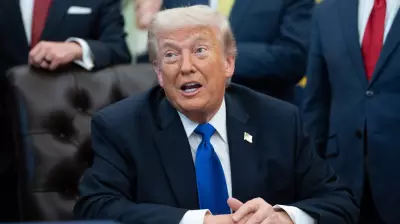
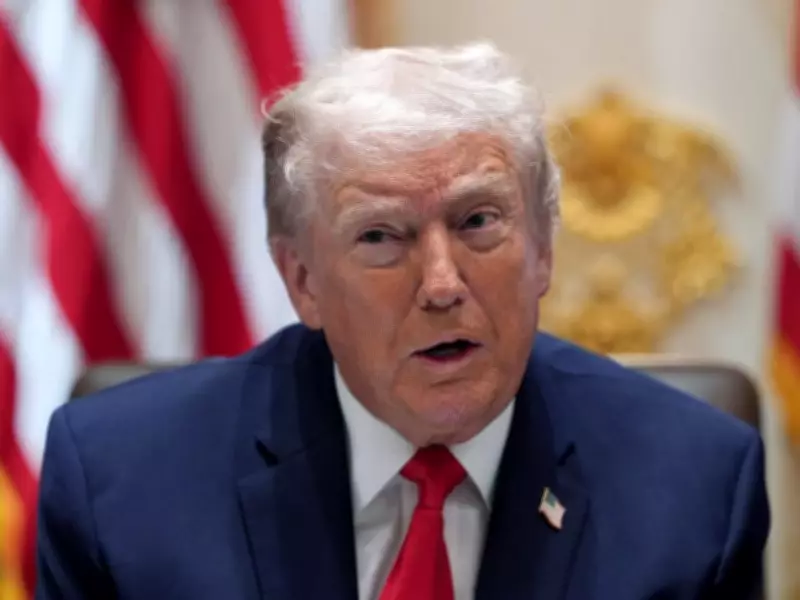
Kinsella identifies Donald Trump as arguably the most effective manipulator of online conspiracy theories in modern political history. The former president has demonstrated how these digital narratives can be weaponized for political gain without electoral consequences.
"For politicians like Donald Trump, the Internet has been a godsend," writes Kinsella. The evidence is substantial: from Barack Obama "birther" claims to false election fraud allegations, from Pizzagate to theories about Hunter Biden's laptop, Trump has consistently promoted or inspired conspiracy theories that have failed to damage his political standing.
The pattern is clear and concerning. Trump utilized conspiracy theories to seize power through two primary mechanisms. First, he tapped into the classic conspiracy theme of secret groups manipulating events for nefarious purposes. Second, and more significantly, he completely dominated the online conspiracy space, particularly on Twitter (now X), where he established himself as the undisputed king of digital conspiracy promotion.
The Algorithmic Amplification of Falsehoods
The mechanics behind this digital conspiracy ecosystem became clearer recently when Elon Musk, owner of social media platform X, shared the code for the platform's algorithm. As The Times of London explained, the formula is surprisingly simple yet profoundly impactful.
The X algorithm meticulously tracks user engagement, assigning different point values to various interactions:
- "Likes" receive half a point
- Replies earn 13.5 points
- Responses to replies garner 75 points
- Full-fledged debates with anger and insults are valued at 150 times more than a simple "like"
Truth becomes irrelevant in this system. What matters exclusively is engagement—keeping users on the platform long enough to react to content and view advertising. Conspiracy theories, with their provocative and divisive nature, naturally generate the intense engagement that social media algorithms reward.
The Inevitable Proliferation of Political Conspiracy Theories
Given Trump's demonstrated success with this approach, Kinsella warns that other politicians will inevitably follow suit. "It's happening a lot, now, because it works," he observes. The precedent has been established, and the tools are readily available.
While it remains unknown whether Trump understood these algorithmic dynamics when he began his political journey in 2015, the pattern is now unmistakable. All major social media platforms—YouTube, TikTok, Facebook, Instagram—likely employ similar engagement-driven formulas that inadvertently promote controversial content.

Kinsella concludes with a sobering prediction: "In the years to come, there will be more and more of them. Because conspiracy theories win elections, now." The digital landscape has created perfect conditions for the proliferation of political conspiracy theories, with algorithms that prioritize engagement over truth and politicians who have learned to exploit this system for electoral advantage.
The implications for democratic processes are profound, as the line between factual political discourse and manufactured conspiracy continues to blur in our increasingly digital public square.