James Moore Reflects on Two Decades of Political Lessons from Stephen Harper
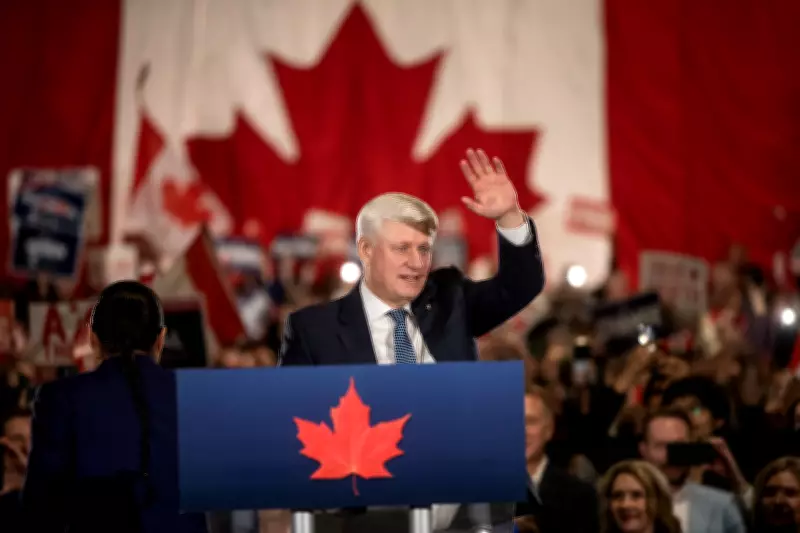
In a reflective analysis marking twenty years since Stephen Harper's rise to prominence, former Conservative cabinet minister James Moore offers a detailed examination of the enduring lessons from Harper's political career. Moore, who served alongside Harper in government, provides a unique insider perspective on the former prime minister's approach to governance, policy, and leadership during a transformative period in Canadian politics.
Sovereignty Threats and National Unity as Central Themes
Moore emphasizes that Harper's tenure was defined by a steadfast commitment to protecting Canadian sovereignty against external pressures and internal divisions. He notes that Harper consistently framed national unity as paramount, particularly in addressing economic challenges and international relations that threatened Canada's autonomy. This focus, according to Moore, helped shape Conservative policies on trade, defense, and federal-provincial relations, with lasting impacts on the political landscape.
The former minister points to Harper's handling of sovereignty issues, such as Arctic claims and trade negotiations, as key examples of his strategic vision. Moore argues that these efforts were aimed at reinforcing Canada's position on the global stage while maintaining domestic cohesion, a balance that remains relevant in today's political discourse.

Lessons in Political Strategy and Party Leadership
Beyond policy, Moore delves into Harper's leadership style, highlighting his ability to build and maintain party discipline through turbulent times. He describes Harper as a pragmatic leader who prioritized long-term goals over short-term popularity, a trait that Moore suggests contributed to the Conservative Party's electoral successes and organizational strength.
Moore also reflects on the personal lessons learned from observing Harper's decision-making processes, including his emphasis on data-driven approaches and careful communication strategies. These insights, Moore contends, offer valuable guidance for current and future political leaders navigating complex issues like economic policy and social cohesion.
Contextualizing Harper's Legacy in Contemporary Politics
In light of recent political developments, Moore connects Harper's legacy to ongoing debates about Canadian unity and sovereignty. He references Harper's recent public discussions with former prime minister Jean Chrétien, where they addressed current threats to national cohesion, underscoring the continued relevance of Harper's perspectives.
Moore concludes by asserting that Harper's two decades in politics provide a rich repository of lessons for understanding Canada's political evolution. He encourages a nuanced appreciation of Harper's contributions, suggesting that his focus on sovereignty and unity remains a critical framework for addressing today's challenges, from economic shifts to social divisions.