Israel's military has issued a warning to residents across southern Lebanon, urging them to evacuate as it continues its operations against Hezbollah. The directive, announced on Wednesday, comes amid escalating cross-border violence that has raised concerns about a broader regional conflict.
Escalation of Hostilities
The Israeli Defense Forces (IDF) confirmed that they are targeting Hezbollah positions in southern Lebanon following a series of rocket attacks into northern Israel. The military stated that the evacuation order is intended to minimize civilian casualties as airstrikes and ground operations intensify in the area.
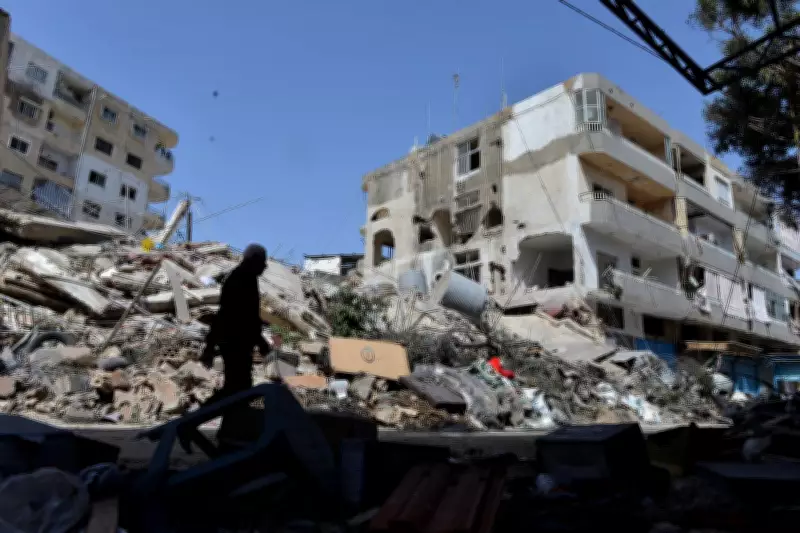
Lebanese officials have reported significant damage to infrastructure and residential buildings in villages such as Maarakeh, where an Israeli airstrike destroyed several structures on Sunday. The Associated Press captured images of a man walking amid the rubble of destroyed homes in the southern village.

International Concerns
The United Nations and several Western nations have called for restraint, warning that the conflict could spiral into a full-scale war. The UN Interim Force in Lebanon (UNIFIL) has urged both sides to adhere to ceasefire agreements and protect civilians.
Hezbollah, a Lebanese militant group backed by Iran, has vowed to continue its attacks until Israel halts its operations in Gaza and the West Bank. The group's leader, Hassan Nasrallah, stated in a televised address that the current escalation is a direct response to Israeli aggression.
Impact on Civilians
The evacuation order has caused panic among residents in southern Lebanon, many of whom have already fled their homes due to previous clashes. Humanitarian organizations are struggling to provide aid to displaced families, with roads and bridges damaged by airstrikes.
According to the Lebanese Ministry of Health, at least 15 civilians have been killed and dozens injured since the latest round of fighting began. The ministry has called for international assistance to treat the wounded and provide shelter for those displaced.
Regional Implications
The conflict has also drawn in other regional actors. Iran has condemned Israel's actions and warned of severe consequences if the attacks continue. Meanwhile, the United States has reaffirmed its support for Israel's right to self-defense but urged de-escalation.
Analysts fear that the situation could destabilize Lebanon, which is already grappling with a severe economic crisis and political paralysis. The country's caretaker government has appealed for a ceasefire but has limited influence over Hezbollah's military decisions.
Historical Context
The current escalation marks the most serious confrontation between Israel and Hezbollah since the 2006 war. That conflict ended with a UN-brokered ceasefire, but tensions have remained high, with periodic skirmishes along the border.
Israel has long viewed Hezbollah as a strategic threat due to its arsenal of rockets and missiles, which it says are capable of striking deep into Israeli territory. The group's involvement in the Syrian civil war has also raised concerns about its military capabilities.
Next Steps
International mediators, including Egypt and Qatar, are reportedly working behind the scenes to broker a truce. However, both sides have signaled that they are prepared for a prolonged conflict if their demands are not met.
As the situation continues to evolve, the international community is closely monitoring developments, with many calling for an immediate cessation of hostilities to prevent further loss of life.