Israeli forces launched strikes across southern Lebanon on Wednesday, killing at least six people, according to Lebanese officials, despite a ceasefire agreement that had been in place. The attacks mark a significant escalation in the region and have drawn international concern.
Ceasefire Violations
The strikes occurred in several areas of southern Lebanon, targeting what Israel described as militant infrastructure. However, Lebanese authorities condemned the actions as a clear violation of the truce brokered earlier this year. The ceasefire had largely held since its implementation, but recent weeks have seen sporadic incidents.
Casualties and Damage
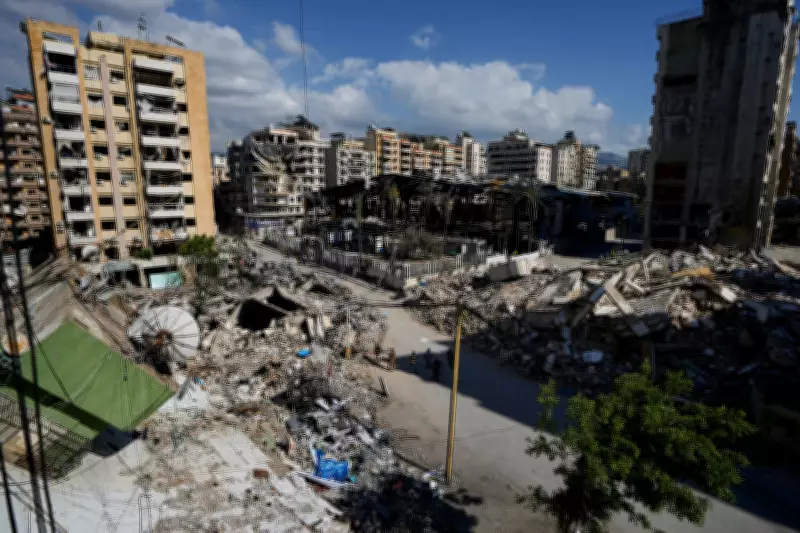
Lebanon's health ministry reported that at least six people were killed and several others wounded. Among the dead were civilians, including a woman and a child, according to local sources. Buildings and vehicles were also damaged in the attacks.

Israeli military officials stated that the strikes were in response to rocket fire from Lebanon into Israeli territory, which they claimed violated the ceasefire. No injuries were reported on the Israeli side.
International Reaction
The United Nations Interim Force in Lebanon (UNIFIL) called for restraint and urged both sides to adhere to the ceasefire. The European Union and the United States also expressed concern, with Washington urging de-escalation.
Hezbollah, the Lebanese militant group, has not yet commented on the strikes, but analysts warn that the incident could lead to a broader conflict if not contained.
Background
The ceasefire agreement, signed in late 2025, ended months of intense fighting between Israel and Hezbollah. It included provisions for the withdrawal of armed groups from the border area and the deployment of Lebanese army forces. However, implementation has been slow, and both sides have accused each other of violations.
The latest violence underscores the fragility of the peace and raises questions about the future of the truce. Diplomatic efforts are underway to prevent further escalation.