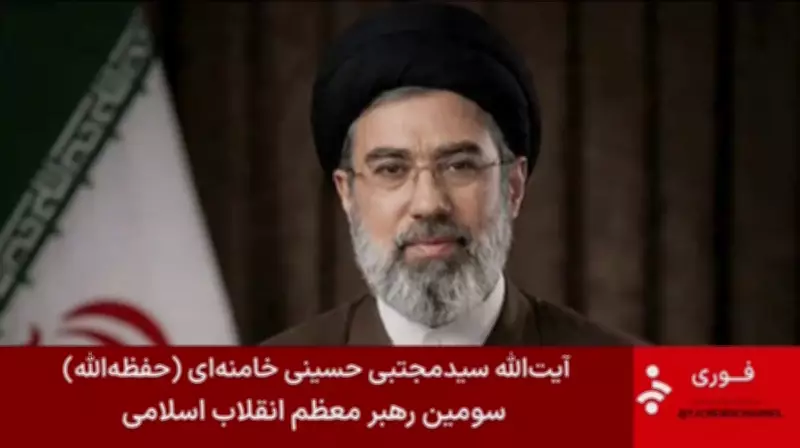
The geopolitical landscape of the Middle East has shifted significantly with Iran's announcement of its next supreme leader. Authorities confirmed on Monday, March 9, 2026, that Mojtaba Khamenei, the son of the nation's slain former supreme leader, will succeed his father as the Islamic Republic's ruler.
Succession Amid Regional Tensions
This pivotal decision comes as ongoing conflict in the region exerts substantial pressure on global energy markets. The appointment of Mojtaba Khamenei marks a critical moment in Iran's political continuity, ensuring leadership remains within the family lineage during a period of heightened instability.
Impact on Global Oil Markets
Simultaneously, the persistent warfare has triggered a sharp increase in oil prices worldwide. Market analysts report that concerns over supply disruptions and regional security are driving crude costs upward, affecting economies and consumers globally. The volatility underscores the intricate link between Middle Eastern politics and international energy dynamics.

Iran's state television broadcast images of Mojtaba Khamenei, confirming his new role. The transition is expected to influence Iran's domestic and foreign policies, particularly its stance in the ongoing conflict that has already reshaped diplomatic and economic relations across the globe.
Broader Economic Implications
As oil prices continue to climb, nations dependent on energy imports face mounting economic challenges. The surge is attributed to fears of prolonged conflict and potential disruptions to key shipping routes and production facilities in the volatile region.
This development highlights how political succession in Iran is not merely a domestic affair but a significant event with far-reaching consequences for global markets and international relations. The intertwining of leadership changes and economic pressures illustrates the complex nature of contemporary geopolitical crises.