Power Outage Experience Highlights Utility Concerns Amid Sovereignty Debate
During the coldest days of the year, a Montreal resident experienced a three-day power outage that resulted in significant property damage, including a broken pipe and flooded basement. This personal crisis has brought renewed attention to Hydro-Québec's reliability and sparked broader questions about Quebec's infrastructure and political direction.
PQ Leader's Vision of Independent Quebec Faces Scrutiny
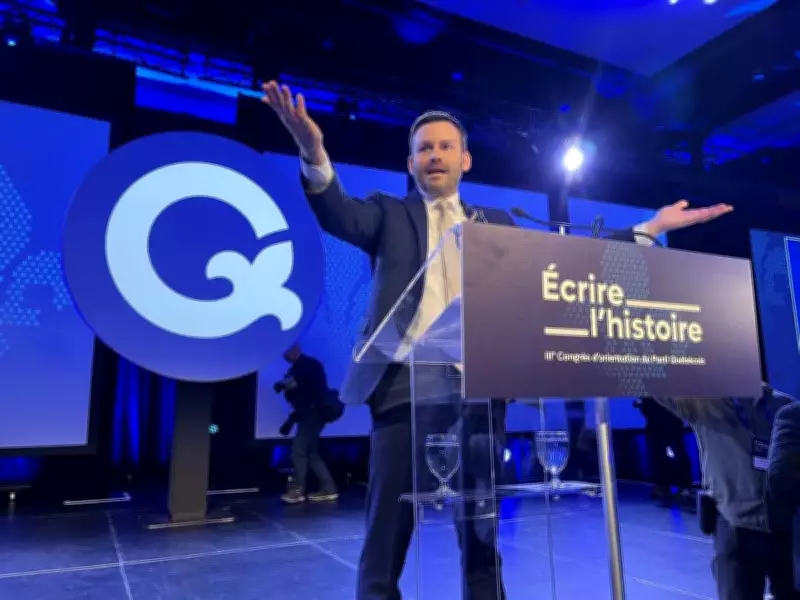
Parti Québécois Leader Paul St-Pierre Plamondon has been promoting an optimistic vision of an independent Quebec, suggesting that separation from Canada would lead to improved public services and utilities. However, the recent Hydro-Québec failure during extreme weather conditions has raised doubts about this narrative, particularly as residents grapple with practical infrastructure challenges.
The PQ convention in St-Hyacinthe became a platform for PSPP to intensify his sovereignty message, with the leader delivering a thirty-minute closing speech that focused heavily on historical grievances. He specifically targeted Prime Minister Mark Carney's recent address in Quebec City, where Carney referenced the Plains of Abraham battle while praising francophone resilience.

Historical Grievances Take Center Stage
PSPP's convention speech leaned heavily on symbolic historical events, including:
- The 1759 Battle of the Plains of Abraham, which he characterized as a symbol of defeat and humiliation
- The 1982 constitutional repatriation without Quebec's consent under then-premier René Lévesque
- Contemporary concerns about the decline of French language and culture
The PQ leader went so far as to criticize Carney for hugging Bonhomme Carnaval, the Quebec City winter carnival mascot, calling it an appropriation of Quebec symbols. This reaction has drawn criticism from observers who question whether such symbolic battles distract from substantive policy discussions.
Growing Questions About Leadership Approach
Despite the Parti Québécois leading in recent polls ahead of the upcoming election, there are increasing concerns about PSPP's leadership style and political strategy. Journal de Montréal columnist Marie-Ève Doyon criticized the convention speech for relying on victimhood narratives rather than addressing Quebecers' pressing economic and social concerns.
Recent incidents have raised questions about PSPP's temperament, including his December confrontation with Quebec cultural leaders who congratulated new federal Culture Minister Marc Miller. These episodes have led some observers to wonder whether the PQ leader's approach might alienate moderate voters.
Political Landscape and Future Implications
The current political dynamic presents an interesting paradox: while the PQ leads in polls, Prime Minister Mark Carney remains more popular than PSPP among Quebec voters. This discrepancy suggests that while some Quebecers may be open to sovereignty discussions, they have reservations about the current PQ leadership's approach.
As the election approaches, the Liberal party has an opportunity to position itself as a forward-looking alternative focused on practical solutions rather than historical grievances. The combination of utility failures like the Hydro-Québec outage and concerns about PSPP's leadership style could potentially shift the political landscape in the coming months.
The intersection of practical infrastructure concerns with broader constitutional debates creates a complex political environment in Quebec, where residents must balance immediate quality-of-life issues with long-term visions for the province's future within or outside Confederation.