Hungary's Incoming Prime Minister Accuses Foreign Minister of Destroying EU Documents
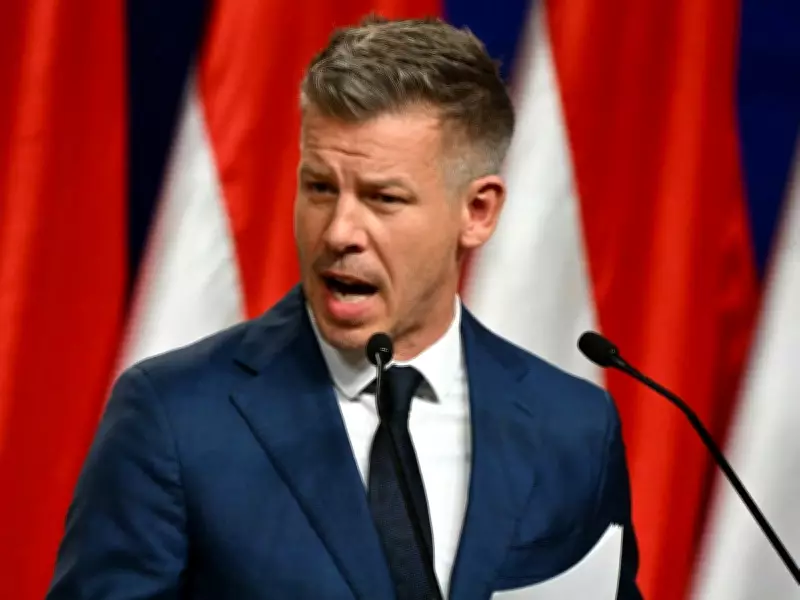
In a dramatic news conference held on Monday, Peter Magyar, the election winner and leader of the pro-European conservative TISZA party, made serious allegations against outgoing Hungarian Foreign Minister Peter Szijjarto. Magyar claimed that Szijjarto is actively shredding documents related to European Union sanctions, a move that could have significant implications for Hungary's relationship with the EU.
Allegations of Document Destruction
The press conference took place at the HUNGEXPO Congress and Exhibition Center in Budapest, Hungary, just one day after the Hungarian general elections. Magyar, who is set to become the new prime minister, stated that Szijjarto is destroying these critical EU documents, which may contain sensitive information about sanctions policies and diplomatic communications.
This accusation comes at a pivotal time as Hungary transitions to new leadership. The alleged destruction of documents raises questions about transparency and accountability within the Hungarian government, particularly regarding its dealings with the European Union.

Context and Implications
Peter Magyar's TISZA party, known for its pro-European stance, has positioned itself as a force for change in Hungarian politics. The allegations against Szijjarto, a key figure in the outgoing administration, suggest potential efforts to obscure or eliminate records that could be scrutinized under the new government.
The timing of these claims, immediately following the elections, adds to the political tension. If proven true, the destruction of EU documents could lead to legal and diplomatic repercussions, including investigations by EU authorities and strained relations with other member states.
Reactions and Next Steps
As of now, there has been no official response from Peter Szijjarto or the outgoing government regarding these allegations. However, the incident has sparked widespread concern among political analysts and EU observers.
- Increased scrutiny on Hungary's compliance with EU regulations.
- Potential calls for audits or inquiries into the foreign ministry's document management practices.
- Implications for Hungary's standing within the European Union, especially regarding sanctions enforcement.
The situation underscores the challenges of political transitions and the importance of maintaining integrity in governmental operations. As Magyar prepares to assume office, his administration may prioritize investigations into these allegations to ensure transparency and uphold democratic norms.