House Narrowly Rejects Iran War Powers Resolution in Early Test of Trump's Strategy
The U.S. House of Representatives has narrowly rejected a resolution aimed at curbing presidential war powers regarding military action against Iran. This vote serves as an early test of President Donald Trump's foreign policy strategy in the Middle East, highlighting deep divisions within Congress over the administration's approach to escalating tensions in the region.
A Close Vote Reflects Political Divides
The resolution, which sought to require congressional authorization for any sustained military engagement with Iran, was defeated by a slim margin. The outcome underscores the ongoing debate between executive authority and legislative oversight in matters of war and peace. Supporters argued it was necessary to prevent unauthorized escalation, while opponents claimed it would undermine presidential flexibility in responding to threats.
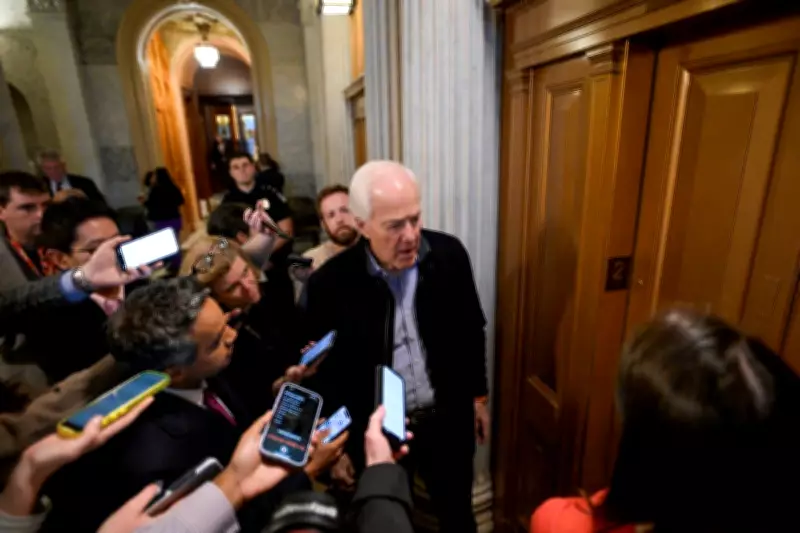
Senator John Cornyn, a Republican from Texas, was seen discussing the vote with reporters as he left the Senate chamber on Wednesday, March 4, 2026. The vote took place on Capitol Hill in Washington, D.C., against a backdrop of heightened geopolitical friction.

Context of Middle East Tensions
This legislative action comes amid renewed conflict in the Middle East, which has disrupted international flights and stranded travelers, including Quebecers seeking to escape the war zone. The situation has amplified concerns about U.S. involvement and the potential for broader military engagement.
The rejection of the war powers resolution signals a willingness in Congress to allow the Trump administration considerable leeway in handling Iran-related matters, at least for now. However, it also sets the stage for future clashes as lawmakers grapple with the balance of power and the risks of entanglement in foreign conflicts.
Broader Implications and Reactions
Political analysts note that this vote could influence upcoming debates on defense spending, alliance commitments, and diplomatic strategies. Conservatives have urged votes on any military role in Iran, accusing the administration of inconsistency, while progressives emphasize the need for congressional checks to avoid prolonged conflicts.
The decision reflects a complex interplay of partisan politics, national security concerns, and international diplomacy. As the Middle East situation evolves, this early test of Trump's strategy may foreshadow further legislative battles over war powers and foreign policy direction in the coming months.