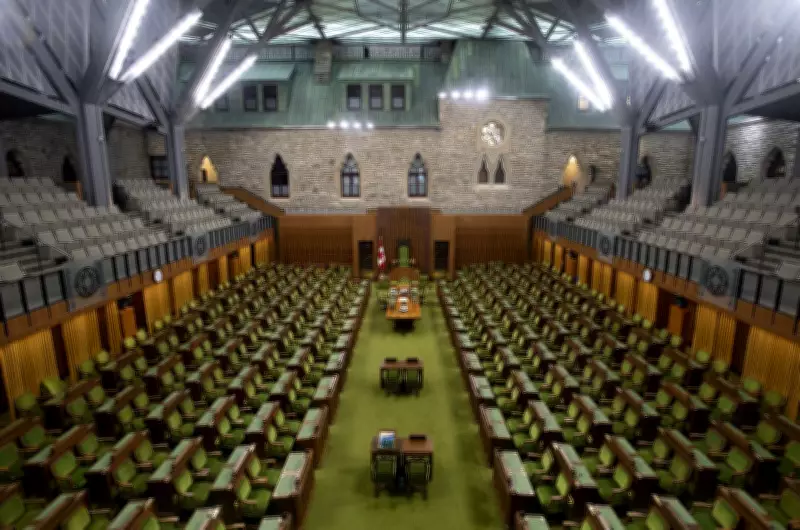
House of Commons Majority: Is the Real Threshold Actually 173 Seats?
A compelling political debate is emerging in Ottawa as analysts question whether the long-accepted magic number for a majority government in Canada's House of Commons needs recalibration. Traditionally, securing 170 seats out of 338 has been considered the benchmark for a majority, but new discussions suggest the real threshold might actually be 173 seats.
Reevaluating Parliamentary Mathematics
The conventional wisdom of 170 seats representing a majority stems from simple arithmetic: half of 338 seats is 169, so 170 provides the one-seat advantage. However, political observers are now examining whether this calculation adequately accounts for the practical realities of modern parliamentary operations.
Several factors contribute to this reassessment:

- Increased absenteeism during votes due to illness, travel, or other commitments
- The growing influence of independent MPs and smaller parties
- More frequent use of pairing arrangements between government and opposition members
- The necessity of maintaining discipline across larger, more diverse caucuses
The Case for 173 Seats
Proponents of the 173-seat threshold argue that contemporary parliamentary dynamics require a more substantial cushion than the bare minimum. With 338 total seats, a government holding 173 seats would command approximately 51.2% of the House, providing greater stability and reducing vulnerability to unexpected absences or defections.
This perspective gains traction when considering recent parliamentary sessions where governments with slim majorities faced challenges maintaining consistent voting blocs. The additional three seats could represent the difference between reliable governance and legislative gridlock.
Historical Context and Future Implications
Canada's parliamentary history shows that majority governments have varied in their seat counts, with some enjoying comfortable margins while others operated with razor-thin advantages. The discussion about revising the majority threshold reflects broader concerns about governmental effectiveness and legislative productivity.
If the 173-seat standard gains acceptance, it could influence electoral strategies, coalition building, and public expectations about what constitutes a mandate for decisive governance. This recalibration would acknowledge that modern parliamentary operations require more than the absolute minimum to ensure consistent policy implementation.
The debate continues among political scientists, strategists, and parliamentarians, with implications for how Canadians understand and evaluate electoral outcomes and governmental stability in the years ahead.