After experiencing homelessness as a youth, I believe a key factor in the rising homelessness since 2022 is being overlooked.
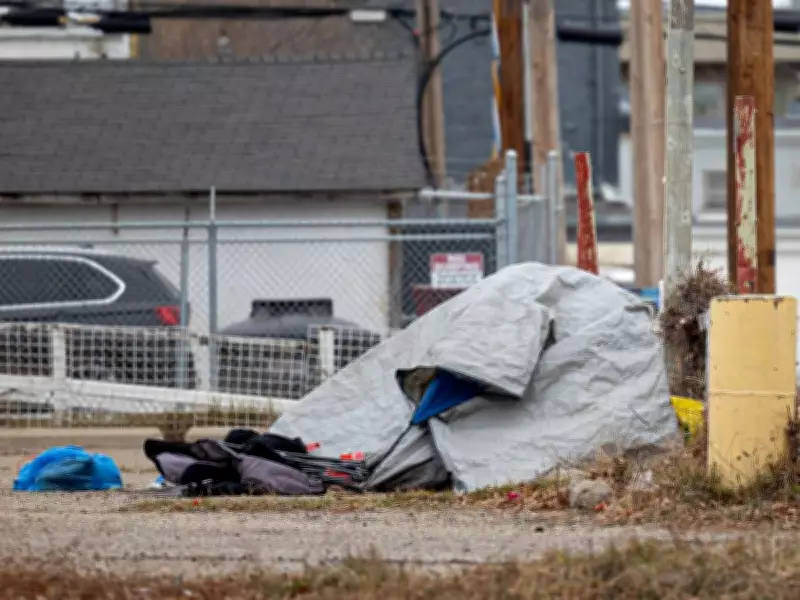
The Saskatoon PiT Count shows homelessness increasing from 450 in 2015, to 475 in 2018, 550 in 2022, sharply rising to 1,499 in 2024, and reaching 1,931 in 2025.
This surge coincides with the Trudeau immigration boom (2022-2024), which caused a steep rise in housing costs (rents and prices) and unemployment.

The Parliamentary Budget Office projected that in 2026, average rents have increased from $1300 to $1650, that is $350 a month, or $4,000 higher annually due to increased immigration.
Seniors, youth, and disabled individuals are pushed out of their homes because of low vacancy rates and rising rents, though they can often find alternatives.
However, addicts often struggle to reintegrate, losing housing due to being undesirable tenants. Landlords told me in 2023 they received over 30-50 responses per vacancy, compared to only 10 in the past, showing how fierce the competition has become.
Clearly, vacancy rates and rent increases significantly influence homelessness. To address this, we must reduce immigration and increase housing supply.
The PBO suggests that rent spikes are specifically linked to increased immigration, making it reasonable to see immigration as a primary cause of homelessness.
Community leaders need to recognize both the positives and negatives of immigration, understanding that recent negatives may outweigh the positives and threaten the lives of working-class Canadians.
Greg Clark, Saskatoon