How Stephen Harper's Predictions About Liberal Governance Have Come to Pass
Twenty years after Stephen Harper made history as the first leader to lead the Conservative Party of Canada to electoral victory, his time in office continues to generate significant political analysis. Sworn in as prime minister on February 6, 2006, Harper's nine-year tenure was characterized by a steady, if unspectacular, approach to governance that delivered incremental improvements across multiple metrics.
The Harper Legacy: Steady Progress and Unheeded Warnings
During Harper's time in office, crime rates declined, productivity showed gradual improvement, the federal deficit was managed, and his party's standing in the House of Commons strengthened. While his administration lacked dramatic highs or lows, most indicators under his purview showed measurable progress by the time he left office in November 2015.
What truly distinguishes Harper from many of his predecessors, however, is how his warnings and policy positions have gained credibility with time. As he departed from political leadership, Harper issued numerous cautions about the direction his Liberal successors might take—warnings that were often dismissed as alarmist at the time but have since proven remarkably accurate.

Fiscal Predictions: From Campaign Rhetoric to Reality
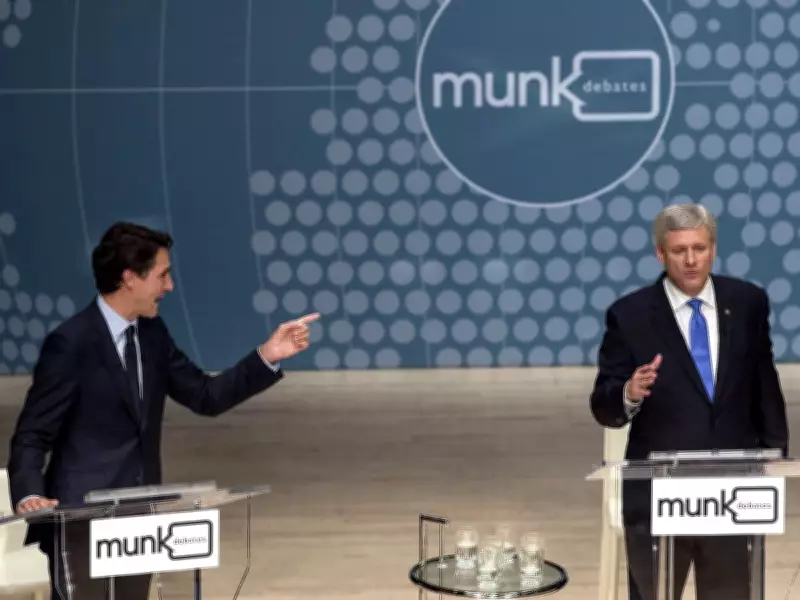
During the 2015 election campaign, Harper repeatedly challenged Liberal promises about fiscal management. The Liberals pledged to run modest $10 billion deficits for three years to fund infrastructure projects, promising a return to balanced budgets by 2019. Harper countered that these projections were fundamentally dishonest.
At campaign stops, including one in Hamilton, Ontario, Harper argued that "Trudeau's deficits will not be small" and that the Liberal leader had "no idea what he is talking about when it comes to these things." Harper frequently mocked the notion of "tiny" deficits, suggesting the Liberals would follow the pattern of Ontario's provincial government under Kathleen Wynne and dramatically increase spending.
History has validated Harper's skepticism. The Liberal government's deficits quickly exceeded their promised $10 billion threshold, with the 2018 deficit alone reaching $19 billion. While the COVID-19 pandemic created extraordinary fiscal challenges worldwide, Canada's spending outpaced most comparable nations. The result was a staggering increase in national debt from $612 billion when Trudeau took office to $1.2 trillion when he left.
Immigration Warnings: Unheeded Cautions
Beyond fiscal policy, Harper also warned about potential challenges in immigration management. His concerns about maintaining proper screening processes and managing migration flows have gained renewed attention as immigration has become an increasingly prominent political issue in Canada.
Harper's private comments, captured in a 2024 recording, reflect his belief that his warnings have been validated: "unfortunately, literally everything I said would happen in 2015 has now come to pass." This statement, made to supporters, underscores how Harper views the trajectory of Canadian policy since his departure from office.
The Enduring Relevance of Harper's Political Vision
Two decades after his initial electoral victory, Stephen Harper's political legacy continues to influence Canadian discourse. His predictions about fiscal management and immigration policy have proven surprisingly accurate, giving his earlier warnings renewed relevance in contemporary political debates.
The contrast between Harper's steady, incremental approach and the subsequent expansion of government spending and debt highlights fundamental differences in governing philosophy between Canada's major political parties. As current policymakers grapple with fiscal challenges and immigration questions, Harper's prescient warnings serve as a reminder of how campaign promises can diverge dramatically from governing realities.