Two Decades Later: Assessing Stephen Harper's Political Legacy
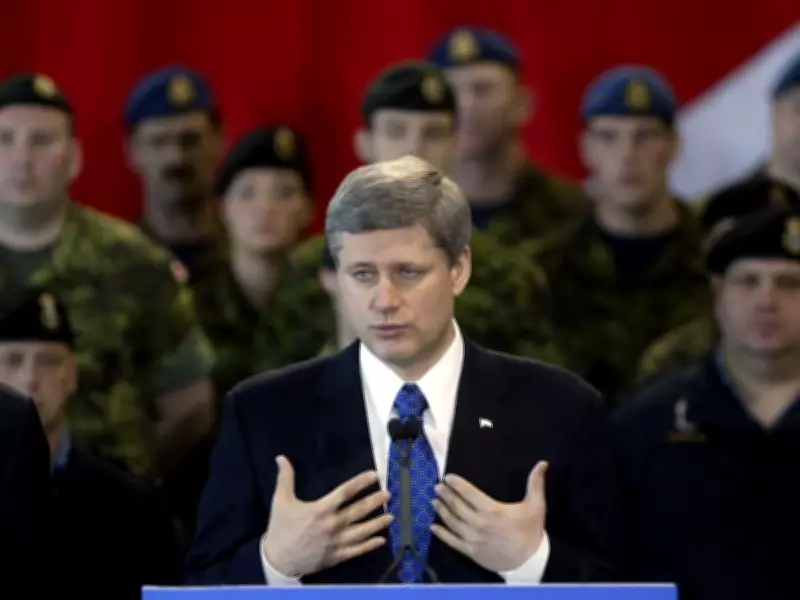
As the twentieth anniversary of Stephen Harper's ascent to the prime minister's office approaches, political commentator Tom Flanagan offers a reflective analysis of the former Conservative leader's tenure. Harper's decade in power, which began on February 6, 2006, presents a complex legacy marked by significant achievements that Flanagan argues have been systematically dismantled by successive Liberal administrations.
Navigating Political Constraints and Executive Authority
Flanagan emphasizes the challenging political landscape Harper faced throughout his leadership. For the majority of his time in office, Harper governed with minority support in Parliament, only securing a decisive majority in 2011. Even then, he contended with a Senate dominated by Liberal appointees, a judiciary with progressive leanings, and a federal bureaucracy historically sympathetic to left-of-center parties.
"His greatest accomplishments emerged in domains where he could exercise executive authority without legislative obstruction," Flanagan observes. This context is crucial for understanding the strategic decisions that defined Harper's approach to governance.

Mastering Federal-Provincial Relations and Separatist Sentiment
One of Harper's most underappreciated successes, according to Flanagan, was his management of Canada's delicate federal-provincial dynamics. "In an era where separatist rhetoric in Alberta and Quebec dominates political discourse, it's easy to forget how remarkably calm intergovernmental relations were under Harper's stewardship," Flanagan notes.
The Conservative leader maintained reasonably positive relationships with both provinces, effectively marginalizing separatist movements from mainstream political conversation during his tenure. This achievement appears increasingly significant as contemporary governments struggle with regional discontent.
Diplomatic Steadiness and Economic Resilience
Harper's foreign policy approach, particularly regarding the United States, receives particular praise in Flanagan's assessment. The former prime minister cultivated productive relationships across the American political spectrum, maintaining cordial ties with both Republican President George W. Bush and Democratic President Barack Obama.
"Trade flowed freely, and diplomatic channels remained open and functional—a stark contrast to today's more volatile climate," Flanagan remarks. He expresses particular regret that Harper isn't currently navigating relations with Donald Trump, suggesting the former Conservative leader would have managed the relationship more effectively than either Justin Trudeau or Mark Carney.
On the economic front, Harper and Finance Minister Jim Flaherty guided Canada through the 2008 global financial crisis with notable success. Canada emerged from the Great Recession with less severe economic damage than most industrialized nations, particularly compared to its southern neighbor.
Policy Initiatives and Their Subsequent Reversal
Flanagan details several specific policy achievements from Harper's time in office:
- Elimination of the long-gun registry
- Termination of the Canadian Wheat Board's monopoly
- Implementation of financial transparency requirements for First Nations governments
- Return to balanced budgets during his final term
Yet each of these accomplishments has faced erosion or outright reversal under Liberal governance. The financial reporting mandate for Indigenous communities has been relaxed, gun registry mechanisms have reemerged through buyback programs, and deficit spending returned promptly after Harper left office.
Judicial Challenges and Unintended Consequences
The courts presented another significant obstacle to Harper's policy agenda. The Supreme Court invalidated his Senate reform proposals before they could be implemented, while numerous criminal justice reforms were overturned for Charter violations. Flanagan connects these judicial reversals directly to contemporary concerns about public safety and urban disorder.

Even Harper's historic apology for the Indian Residential School system—accompanied by substantial financial compensation—has produced mixed long-term results. While initially celebrated as a reconciliation milestone, the settlement triggered numerous additional class-action lawsuits that have cost billions and, in Flanagan's view, potentially exacerbated rather than healed historical wounds.
A Legacy of Pragmatic Compromise
Despite Harper's reputation as a divisive figure during his time in power, Flanagan characterizes his actual governance as surprisingly pragmatic. "His record reveals a leader who frequently chose cooperation and compromise over ideological rigidity," Flanagan argues.
The commentator concludes with a sober assessment: Harper established foundations of fiscal responsibility, provincial accommodation, and diplomatic stability that subsequent governments have systematically dismantled. As Canada approaches the twenty-year mark of Harper's first election victory, Flanagan's analysis invites reconsideration of what has been lost—and what might have been preserved—in the political transitions that followed.