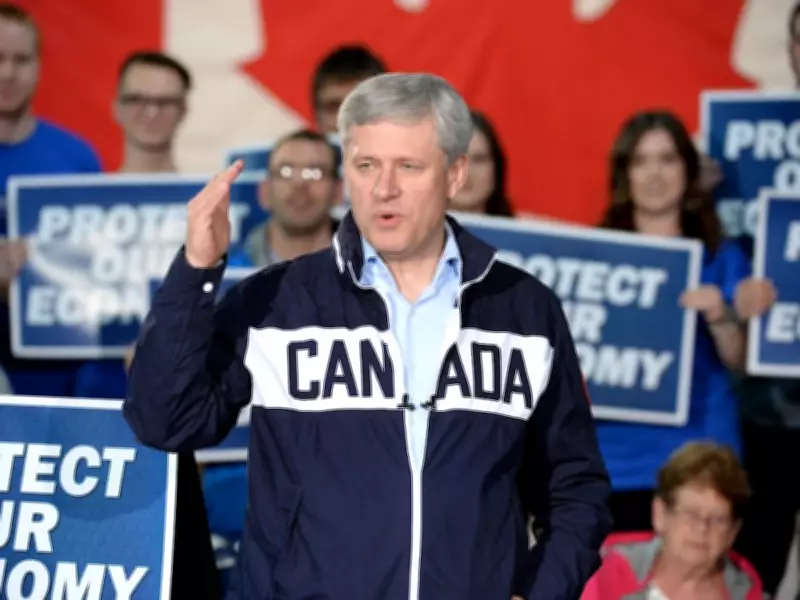
Stephen Harper's 'Cult Following' Gains Momentum on 20th Anniversary of First Election Victory
Two decades after Stephen Harper first secured electoral victory as Conservative prime minister, a growing wave of nostalgia is sweeping across Canada. This sentiment, often described as a "cult following," is fueled by comparisons between Harper's tenure and the current political landscape under Liberal leadership.
The Housing Market Contrast: Accessibility Versus Exclusion
During Harper's time in office from 2006 to 2015, housing prices experienced controlled growth that maintained market accessibility. The average home price increased approximately 40 percent, rising from $263,000 to $440,000. This moderate escalation boosted homeowner equity while keeping entry-level properties within reach for first-time buyers and working-class Canadians.
Several factors contributed to this balanced market:

- Historically low interest rates that facilitated home purchases
- Stable economic conditions that supported gradual price increases
- Policy approaches that avoided dramatic market disruptions
In stark contrast, the subsequent years under Prime Minister Justin Trudeau witnessed a 62 percent surge in average home prices, reaching $714,000 by 2025. Simultaneously, rising interest rates created dual pressures that effectively excluded substantial segments of Canadian society from homeownership.
Economic Management and Fiscal Discipline
Harper's economic stewardship maintained inflation near the Bank of Canada's two percent target throughout most of his tenure, with the exception of the 2008 recession period. His government implemented tax reductions that alleviated cost pressures and supported price stability. Consequently, real disposable household income demonstrated consistent growth during these years.
The fiscal approach under Harper emphasized balanced budgets, with significant surpluses in early years and a return to surplus by 2015 following temporary deficits during the global financial crisis.
Conversely, the Trudeau administration has navigated different economic waters. Inflation peaked at 6.8 percent in 2022, with food inflation proving particularly burdensome for Canadian households. Fiscal management has followed a distinct pattern, with large annual deficits persisting even outside pandemic years.
International Relations and Political Approach
Harper maintained steady diplomatic relationships with American administrations, including those of George W. Bush and Barack Obama. While disagreements occurred—most notably Obama's rejection of the Keystone XL pipeline that Harper strongly advocated—these differences were managed without leveraging them for domestic political advantage.
This diplomatic approach contrasts with subsequent administrations, where international disagreements have sometimes been utilized for political positioning within Canada.
The Nostalgia Phenomenon Explained
The emerging "cult following" for Harper's era reflects broader societal concerns about contemporary challenges. From housing affordability to economic stability and international relations, comparisons between past and present governance styles are driving renewed interest in Harper's political legacy.
As Canada continues to grapple with complex issues including housing accessibility, inflation management, and fiscal responsibility, this retrospective examination of Harper's tenure offers insights into alternative policy approaches and their potential impacts on Canadian society.