Former Prime Minister Stephen Harper Denies Endorsing Alberta Separation Petition
In a notable political discussion, former Canadian Prime Minister Stephen Harper has publicly stated that he did not sign a petition advocating for Alberta's separation from Canada. This clarification came during a sit-down chat with another former prime minister, Jean Chrétien, highlighting the ongoing tensions and debates surrounding Alberta's place within the Confederation.
Context of the Conversation
The exchange between Harper and Chrétien, both influential figures in Canadian politics, underscores the persistent discussions about Alberta's autonomy and potential separation movements. Harper, who served as prime minister from 2006 to 2015 and hails from Alberta, has often been associated with conservative and western Canadian interests. His denial of signing the petition is significant, as it distances him from more radical elements pushing for independence, which could influence public opinion and political strategies in the province.
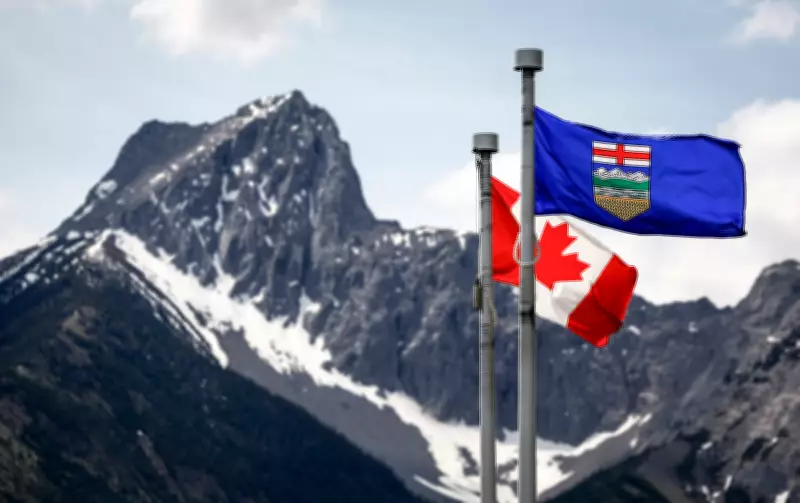
Alberta has a long history of separatist sentiments, often fueled by economic disparities, federal policies, and cultural differences. In recent years, petitions and movements calling for Alberta's separation have gained traction, particularly in response to issues like energy sector regulations and equalization payments. Harper's statement may aim to temper such sentiments, emphasizing a more moderate approach within the framework of Canadian federalism.

Political Implications and Reactions
Harper's denial could have several implications for the political landscape. Firstly, it may reassure federalists and those concerned about national unity, as a former prime minister from Alberta is not endorsing separation. Secondly, it might impact the strategies of political parties, such as the Conservative Party of Canada, which seeks to maintain support in Alberta while appealing to a broader national audience. Chrétien's involvement in the conversation adds a cross-partisan dimension, as he is a Liberal former prime minister, suggesting that the issue transcends party lines and is a matter of national importance.
Reactions from political analysts and the public are likely to be mixed. Some may view Harper's stance as a pragmatic move to avoid alienating voters outside Alberta, while others in separatist circles might see it as a betrayal of western interests. The conversation also comes at a time when Alberta's government has been exploring greater autonomy through measures like the Alberta Sovereignty Act, making Harper's comments particularly timely and relevant.
Broader Significance for Canadian Unity
This development highlights the delicate balance in Canadian federalism, where regional grievances must be addressed without compromising national cohesion. Harper's denial serves as a reminder that even prominent figures from Alberta are cautious about endorsing separation, potentially encouraging dialogue and compromise over division. It also reflects the complex interplay between provincial identities and national loyalty, a theme that continues to shape Canadian politics.
As debates over Alberta's future persist, Harper's clarification may influence upcoming political discussions and policies, emphasizing the need for constructive engagement rather than radical actions. The chat with Chrétien, therefore, not only clarifies Harper's position but also contributes to the ongoing narrative about Canada's unity and the role of its provinces in the federation.