Federal Minister Vows Gun Buyback Will Advance Despite Lack of Provincial and Police Cooperation
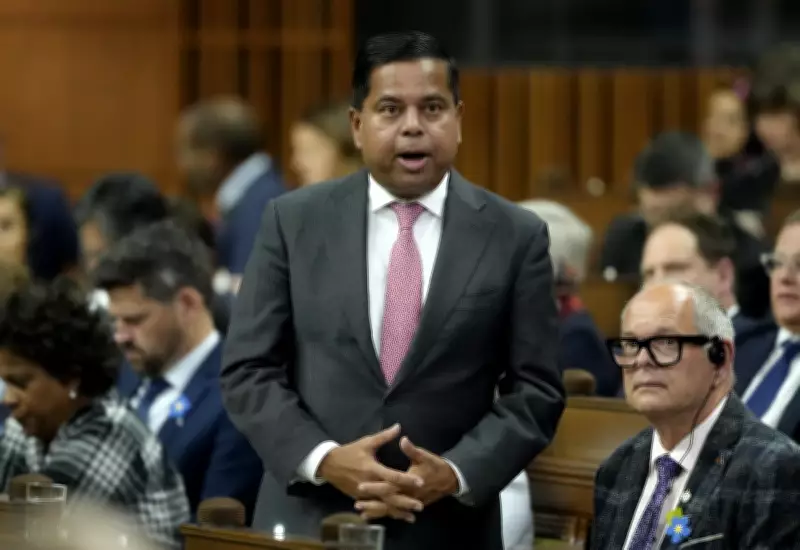
Public Safety Minister Gary Anandasangaree has declared that the Canadian government's contentious firearm buyback initiative will not be derailed by a lack of assistance from certain provinces and police services. Speaking from Ottawa, the minister underscored the program's critical role in enhancing public safety across the nation.
Anandasangaree Addresses Challenges and Reaffirms Commitment
In recent statements, Minister Anandasangaree acknowledged that some provincial governments and law enforcement agencies have been reluctant to participate in or support the federal buyback scheme. This resistance stems from varied concerns, including operational burdens, funding disputes, and philosophical disagreements over the program's effectiveness. However, Anandasangaree emphasized that these hurdles will not impede the federal government's determination to implement the policy, which aims to remove prohibited firearms from communities.
The minister highlighted that public safety remains the paramount objective, arguing that reducing the number of such weapons in circulation is a vital step toward preventing gun violence. He pointed to widespread public support for stricter gun control measures as a driving force behind the program's continuation.

Background and Broader Context of the Buyback Program
The gun buyback program was launched as part of broader federal efforts to tighten firearm regulations in Canada. It targets specific models of firearms that have been prohibited due to their potential for misuse in violent crimes. The initiative involves compensating owners for surrendering these weapons, with the goal of destroying them to ensure they cannot be used illegally.
Despite its intentions, the program has faced criticism and logistical challenges from its inception. Some provinces have expressed skepticism about its cost-effectiveness and impact on crime rates, while certain police forces have raised practical concerns about their capacity to manage the collection and disposal processes. These issues have led to patchwork cooperation across the country, with some regions fully engaging and others holding back.
Implications for Federal-Provincial Relations and Law Enforcement
The standoff over the buyback program reflects ongoing tensions between federal and provincial jurisdictions in Canada, particularly in areas of criminal justice and public safety. Minister Anandasangaree's firm stance suggests that the federal government is prepared to proceed unilaterally if necessary, potentially straining relationships with dissenting provinces.
Key aspects of this situation include:
- The federal government's authority to enforce national security measures, even without full provincial backing.
- Concerns about the program's implementation, including funding allocations and operational logistics.
- Debates over the program's effectiveness in actually reducing gun-related incidents.
- The role of police services, which may face increased workloads or conflicting directives.
As the buyback moves forward, stakeholders will be closely monitoring its execution and outcomes. Minister Anandasangaree concluded by reiterating his commitment to the program, stating that it is a necessary component of Canada's strategy to combat gun violence and protect citizens. The coming months will likely see continued discussions and potential adjustments as the government navigates these complex challenges.