In a televised address on Wednesday evening, U.S. President Donald Trump declared that the ongoing military conflict in Iran is "very close" to reaching its conclusion. However, his remarks left open the possibility of at least another three to four weeks of sustained hostilities, casting doubt on immediate resolution.
Military Impact and Regional Control
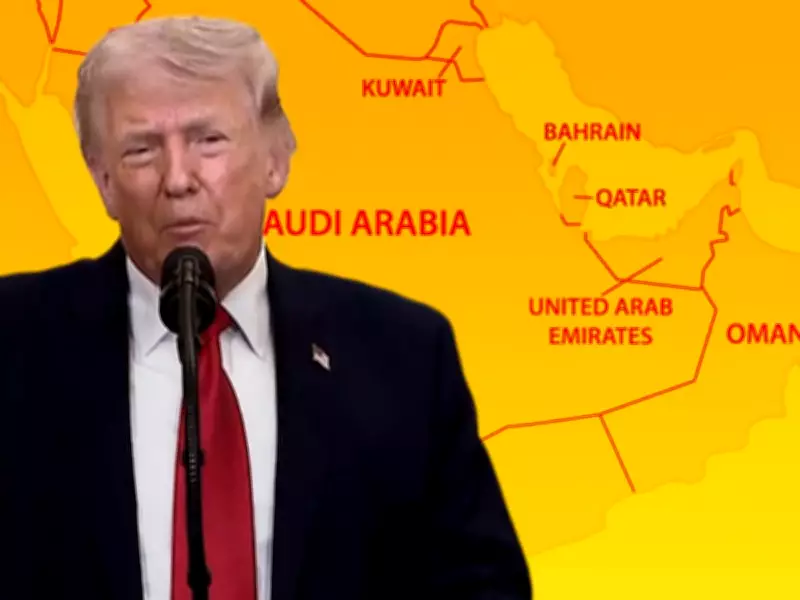
The combined U.S. and Israeli offensive operations have inflicted significant damage on Iran's military infrastructure and capabilities. Despite these substantial losses, Iran maintains considerable control over the strategically vital Strait of Hormuz. Furthermore, Iranian forces continue to demonstrate their ability to launch missile and drone strikes targeting both Israel and neighboring Arab nations.
Gulf State Perspectives and Divisions
Veteran journalist and Middle East analyst Mohamed Fahmy, reporting from Kuwait, describes a climate of heightened anxiety throughout Arab nations regarding the conflict's unpredictable trajectory. There is particular concern about Iran's persistent capacity to strike critical energy installations and civilian infrastructure targets.

A significant divide has emerged among Gulf Cooperation Council members regarding the appropriate path forward. Some regional powers are advocating for the United States to decisively "finish the job" through continued military pressure, while others are pushing for diplomatic efforts to establish a ceasefire agreement.
Canadian Intelligence Saves Lives in Kuwait Attack
Fahmy's ground reporting has uncovered crucial details about the March 1 missile strike that targeted a military base in Kuwait housing Canadian troops. His investigation reveals that Canadian intelligence assets provided advanced warning that directly prevented casualties during that attack, showcasing the vital role of international cooperation in conflict zones.
The situation remains fluid as regional leaders weigh the risks of prolonged conflict against the strategic objective of neutralizing Iranian military threats. With Trump's administration signaling extended operations, Gulf states face difficult decisions about their alignment with U.S. military strategy versus pursuing regional stability through diplomatic channels.