Former Trump Ally Marjorie Taylor Greene Voices Confusion Over President's 'Bones' Remark on Iran Conflict
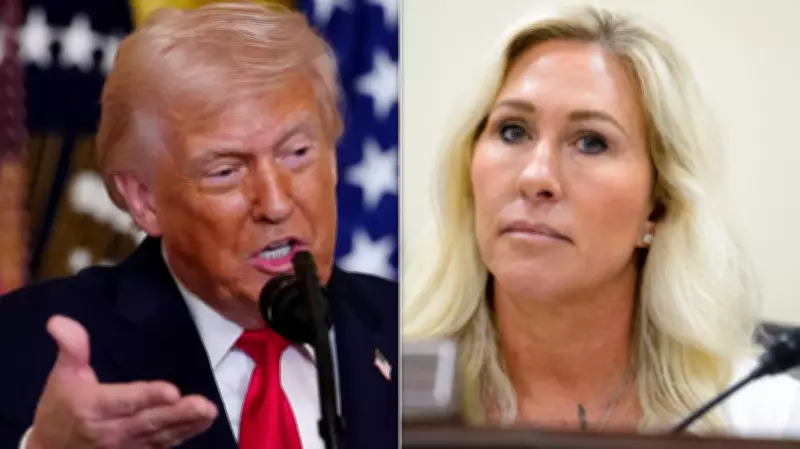
Former Representative Marjorie Taylor Greene, a Republican from Georgia, expressed profound bewilderment and concern regarding a recent comment made by President Donald Trump about the ongoing war with Iran. During an interview on CNN's "The Source" with host Kaitlan Collins on Friday, Greene admitted she was completely baffled by Trump's statement that the conflict would conclude when he could "feel it" in his "bones."
Greene's Puzzled Reaction to Trump's Unusual Declaration
"I have no idea what that means," Greene told Collins, highlighting her confusion over the president's choice of words. She elaborated further, drawing a parallel to another perplexing statement from Trump. "The same way I have no idea, I have no understanding, of what he means ... when he says he doesn't think he's going to heaven," she continued, referencing an idea the president has expressed multiple times in the past.
This exchange came after Fox News host Brian Kilmeade had earlier that day questioned Trump about how he would determine when the U.S. war with Iran is over. Trump's response was cryptic and visceral: "When I feel it. When I feel it in my bones." The comment quickly circulated on social media, including a post from the account @HQNewsNow on March 13, 2026, which featured the quote alongside a video clip.

Concerns Raised Over Presidential Communication
Despite her inability to decipher Trump's intended meaning, Greene emphasized that his words were troubling to her. "Those are statements that I find concerning," she stated to Collins during the interview. She reiterated her confusion, adding, "So, I honestly have no idea what that means." This reaction underscores a moment of dissonance between Greene, once a staunch ally of Trump, and the president's unconventional communication style.
The incident highlights broader questions about clarity and transparency in presidential discourse, especially regarding matters of national security and international conflict. Greene's comments reflect a growing unease among some observers who seek more concrete explanations from leadership during times of war.
As the war in Iran continues, Trump's "bones" remark has sparked discussions not only about the conflict's resolution but also about the nature of decision-making at the highest levels of government. Greene's public bafflement serves as a reminder of the challenges in interpreting presidential rhetoric and its implications for policy and public understanding.