Political Firestorm Erupts Over Journalist's Arrest
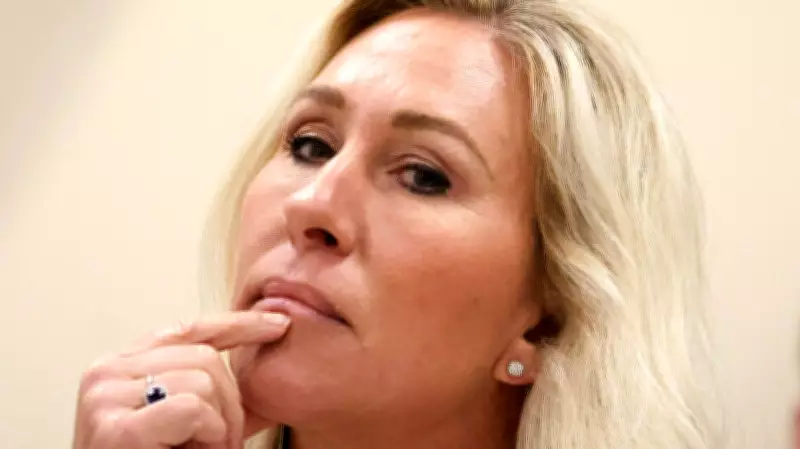
Former Republican Congresswoman Marjorie Taylor Greene engaged in a contentious verbal battle with television host Bill Maher during a recent episode of "Real Time." The heated discussion centered on the controversial arrest of former CNN anchor Don Lemon, sparking a broader debate about press freedom, activism, and legal boundaries.
Maher's Opening Salvo Against Trump Administration
Bill Maher initiated the confrontation by criticizing former President Donald Trump and his administration's handling of immigration enforcement. The host specifically referenced a recent incident where U.S. Immigration and Customs Enforcement and Customs and Border Protection agents in Minnesota killed two American citizens earlier this month.
"That didn't happen under Obama," Maher pointedly noted, drawing a contrast between presidential administrations. When the conversation turned to Lemon's arrest, an audience member's enthusiastic "Yes!" prompted Maher to clarify his position: "Somebody went, 'Yes,' like, 'Good.' I don't know. It's not good to arrest him."

Greene's Legal Justification Using FACE Act
Marjorie Taylor Greene immediately countered with a legal argument, stating firmly: "Well, I'm going to say he violated the FACE Act." The Freedom of Access to Clinical Entrances Act prohibits using force or threats to interfere with access to reproductive health services or religious worship locations.
Lemon faced arrest in Los Angeles on charges connected to his coverage of an anti-ICE protest on January 18. Demonstrators had disrupted a Sunday morning service at the Cities Church in St. Paul, Minnesota, and Lemon appeared to be reporting from the scene.
Greene elaborated on her position: "He went into a church, disrupted their worship and then later in an interview compared them to white supremacists. That's not journalism. That's activism." She referenced Lemon's comments on the "I've Had It" podcast to support her characterization.
Debating the Proportionality of the Response
Maher challenged the severity of the government's action, asking: "But does it warrant getting arrested?" Greene remained steadfast, arguing that Lemon had violated the FACE Act by "stopping people's right to worship."
The former congresswoman drew a parallel to previous enforcement actions, noting: "And under the Biden administration, pro-lifers were sent to prison up to 11 years for praying in front of an abortion clinic and they were convicted under the FACE Act. So I don't think that's journalism."
Media Freedom Concerns Raised
Maher aligned himself with numerous media personalities and journalists who view Lemon's arrest as concerning government overreach under the Trump administration. The host suggested a more moderate approach: "OK, but can we just charge him with, 'Not cool, man?'"
Greene reiterated her support for the arrest, despite having broken with Trump on several issues last year before announcing her congressional resignation. Fellow guest Joe Scarborough, host of MSNBC's "Morning Joe," entered the fray with a different perspective.
Scarborough's Defense of Journalistic Practice
Scarborough argued that if anyone should face prosecution, it should be "the people that went into the church, that were the protesters," suggesting Lemon was merely performing his journalistic duties. He emphasized the importance of distinguishing between participants and observers in such situations.
The MSNBC host explained: "I think there has to be sort of a differentiation between if somebody's going in there and saying, 'I'm not with them. Can I ask you some questions?' Because you're going to have embeds in war, you're going to have embeds in protests."
Scarborough concluded with a warning about the broader implications: "There's no doubt, this was meant to scare other reporters, to scare other journalists." This statement highlighted concerns about potential chilling effects on press freedom and the essential role journalists play in documenting protests and civil unrest.

The exchange between Greene and Maher reflects deepening political divisions regarding the boundaries of journalism, religious freedom protections, and appropriate government responses to protest coverage. As legal proceedings continue in Lemon's case, this debate underscores the complex intersection of First Amendment rights, law enforcement priorities, and political polarization in contemporary American discourse.