Senator Lindsey Graham Holds Government Funding Hostage Over Phone Record Compensation Dispute
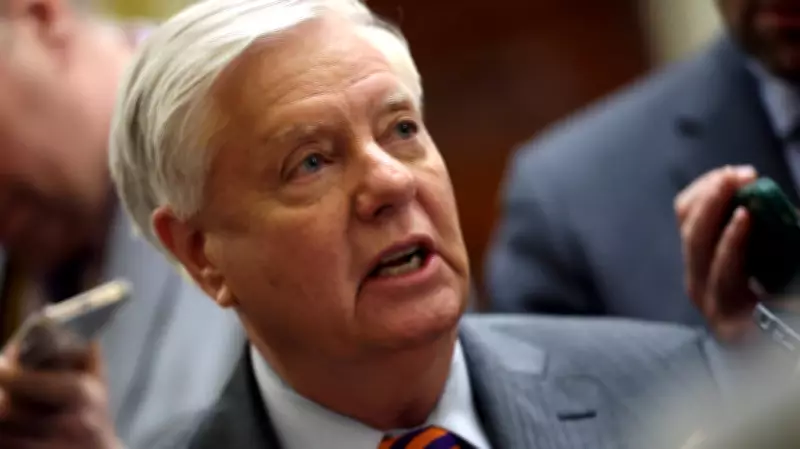
Republican Senator Lindsey Graham of South Carolina has continued his solo obstruction of a bipartisan government funding bill on Friday morning, creating a standoff over his demand for the right to sue the federal government for accessing his phone records during the January 6th investigation.
Controversial Provision Sparks Senate Showdown
The core of the conflict centers on a provision within the spending package that would repeal the ability of U.S. senators to claim substantial damages when their phone records are collected during investigations. Graham, whose own phone metadata was obtained by the Department of Justice, had previously supported this compensation law when it was passed last year. However, the House of Representatives recently voted unanimously to eliminate this provision and attached the repeal to the critical government funding proposal currently before Congress.
During an impassioned speech on the Senate floor, Graham directly addressed House Speaker Mike Johnson and his Republican colleagues, expressing frustration over their handling of the matter. "You could have called me about the $500,000," Graham stated, referencing the maximum compensation amount senators could receive per phone record accessed. "I would be glad to work with you. You jammed me, Speaker Johnson. I won't forget this."

Financial Stakes and Investigation Background
Under the existing legislation that Graham now seeks to preserve, senators could potentially sue the Justice Department for each violation, with lawmakers estimating total damages could reach several million dollars if subpoenas covered multiple phones over multiple days. This provision originated after senators discovered last year that former special counsel Jack Smith had obtained several of their phone records during his investigation into former President Donald Trump's efforts to overturn the 2020 election results.
Smith explained to lawmakers that he sought these records because Trump and his associates had contacted members of Congress during the January 6, 2021, Capitol riot, urging them to delay certification of Joe Biden's electoral victory. This revelation prompted the creation of the compensation mechanism that has now become a central point of contention.
Political Maneuvering and Potential Compromise
House Republicans have expressed strong opposition to the compensation provision, characterizing it as self-serving and ethically questionable. In an attempt to build broader support, Graham proposed expanding eligibility for damages to include House lawmakers whose records were also collected, as well as members of the general public targeted by Smith's investigation.
On Friday, Graham indicated he might be willing to relent and allow a vote on the spending package if he receives assurances that the Senate will consider changes to the payout provision. He also requested a separate vote on legislation targeting immigration "sanctuary cities" such as Minneapolis. "I just want a vote," Graham emphasized, highlighting his procedural demands.
Impending Government Shutdown and Political Consequences
Significant portions of the federal government face potential shutdown at midnight Friday if Congress fails to approve the funding agreement negotiated by Senate Democrats and former President Trump. Senators had hoped to pass the legislation on Thursday until Graham raised his objection. Under Senate rules, any single senator can deny unanimous consent and prevent expedited consideration of legislation.
Even if the Senate approves the bill on Friday, a temporary funding lapse remains likely since the House must still vote on the measure before it reaches the President's desk. The immediate effects of any shutdown may be less noticeable over the weekend, as many federal employees do not return to work until Monday.
Republican Colleagues Express Concern
Senator Thom Tillis, a fellow Republican from North Carolina, acknowledged understanding Graham's frustration with the Smith investigation but warned about political consequences. Tillis suggested Republicans would face justified criticism for causing a government shutdown if they fail to advance the funding legislation.

"There are various ways that you can go after Jack Smith, if that's really what you're wanting to do, if they did these sorts of surveillance or phone tapping," Tillis commented. "Whether or not we should have a $500,000 reward for a member that got targeted, I don't want that. I would like maybe a dollar award to send a message, but come on, guys."
The ongoing standoff highlights the complex intersection of individual rights, government accountability, and legislative procedure as Congress races against the clock to prevent a partial government shutdown.