Manitoba intends to ban children from using social media and AI chatbots, Premier Wab Kinew announced over the weekend. It is something you might think was in no way possible for a provincial government to accomplish. Perhaps that is why British Columbia’s government, also NDP, paused a similar effort two years ago in favour of discussions with the companies that run these services.
“They’re doing these very awful things to kids all in the name of a few likes, all in the name of more engagement, and all in the name of money,” Kinew complained at an NDP fundraiser — “more money for a group of rich tech bros who already have a ton.”
I suppose that is the sort of thing you would expect to hear at an NDP fundraiser. “Wealth is grotesque. Can we please have some of yours?” But it is a telling remark, because if the “tech bros” were getting rich providing a valuable service — which billions of human beings, including children, clearly think they are — then presumably it would not be a huge issue.

As ever in Canada, the question is: are we actually trying to solve problems, or are we just posturing? And if we are actually trying to solve this problem — the potentially poisonous effect of social media on children — is an outright ban on children communicating online, perhaps with competent parental oversight, really the best way to go?
Australia has been at the forefront of this movement, having supposedly kicked the joeys off social media late last year. Reading about it in Canadian media, at least until recently, you might conclude things were going reasonably well down under. A worthwhile Australian initiative, if you will.
In January, just weeks after the ban came into effect, Australia’s eSafety Commissioner announced social-media companies had deactivated nearly five million accounts owned by children. “Today, we can announce that this is working,” Prime Minister Anthony Albanese crowed. “This is a source of Australian pride. This was world-leading legislation, but it is now being followed up around the world.”
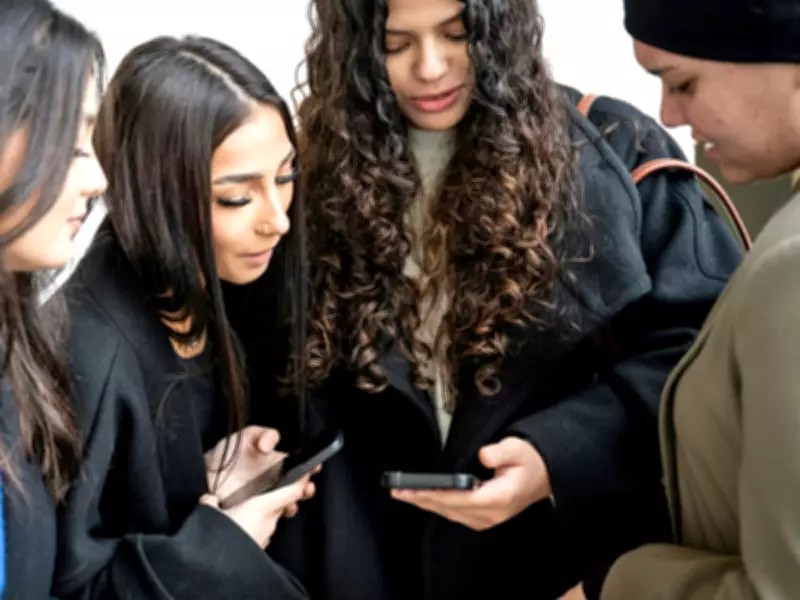
Since then, however, eSafety Commissioner Julie Inman Grant has issued her first official report on the policy. And the crowing has rather abated. “Australia’s teen social media ban is a flop,” a recent Guardian headline declared. Turns out Facebook, Instagram, Snapchat, TikTok and YouTube are not deleting under-16s’ accounts to the commissioner’s satisfaction. Turns out that many kids are finding a way around the restrictions. A student at a secondary school in Sydney told BBC News that “of 180 girls in her year group, she was aware of only three who had been booted off platforms.”
The online world offers up many horrors, clearly, but the idea that it has been a net negative to humanity is a First World delusion. Parents, not governments, are best positioned to guide their children through the digital landscape. Bans are not only difficult to enforce but also risk alienating young people from the positive aspects of social media, such as connection and learning. Instead of top-down prohibitions, a more nuanced approach involving education, parental tools, and industry responsibility may prove more effective.