Liberal Party Faces Internal Tensions as Gladu Joins, U.S. Economic Woes Threaten Canada
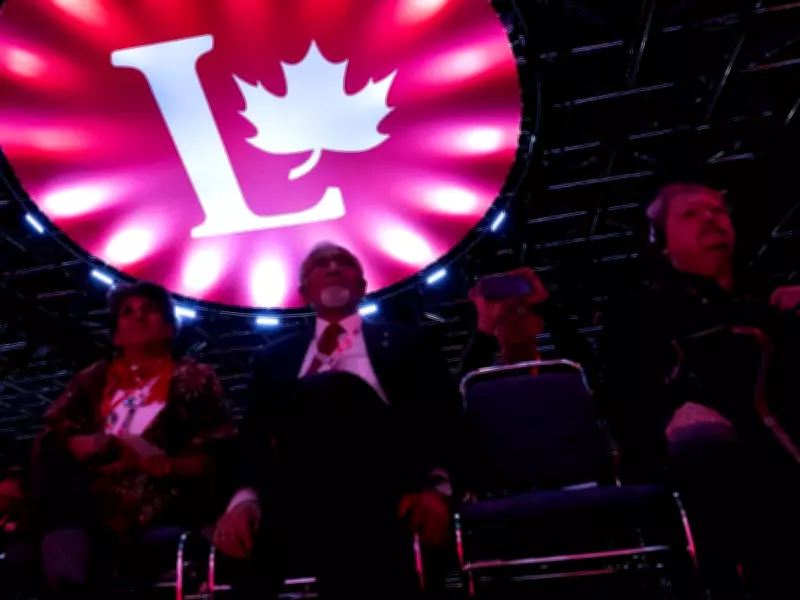
On Friday, April 10, 2026, the Liberal Party of Canada convened in Montreal, sparking significant discussions as social conservative MP Marilyn Gladu joined their ranks after departing from the Conservatives. The party has labeled itself a "big tent" organization, aiming to encompass diverse viewpoints, but this move has unsettled progressive members who are vocal about upholding their core values. They argue that the inclusion of figures like Gladu, known for her socially conservative stances, challenges the party's commitment to progressive ideals, leading to internal debates about identity and direction.
U.S. Economic Challenges Pose Risks for Canada
Simultaneously, economists are raising alarms about the United States' economic health, with the Conference Board's U.S. Consumer Confidence Index dropping 9.7 points in January to 84.5. This decline signals potential trouble for Canada, as experts fear that U.S. economic ailments could translate into significant challenges north of the border. Factors such as ongoing trade tensions and the risk of prolonged conflict in the Middle East contribute to concerns about a global economic slowdown, with some analysts even speculating about a possible recession that could impact Canadian markets and trade relations.
Additional Stories Highlighting Current Issues
In other news, former Ontario MLA Goldie Ghamari, an Iranian-Canadian activist, has faced serious threats, including an assassination attempt with a $250,000 bounty after criticizing the Iranian regime online. Ottawa police have also warned her about potential hate charges for social media posts suggesting the destruction of Iranian mosques, citing them as "hubs of terrorism." Meanwhile, National Post columnist Jamie Sarkonak discusses the increasing reliance on racial considerations in judicial decisions in Canada, scrutinizing what she perceives as progressive biases in the judiciary. Additionally, Prime Minister Mark Carney's initiative to protect 30% of Canada's land by 2030, aligning with a UN biodiversity framework, has sparked controversy, with some Indigenous rights groups labeling it a major land grab.

These stories collectively underscore a period of political, economic, and social flux in Canada, with implications for both domestic policies and international relations.