Ontario Premier Directs Legal Action to Block Al-Quds Rally in Toronto
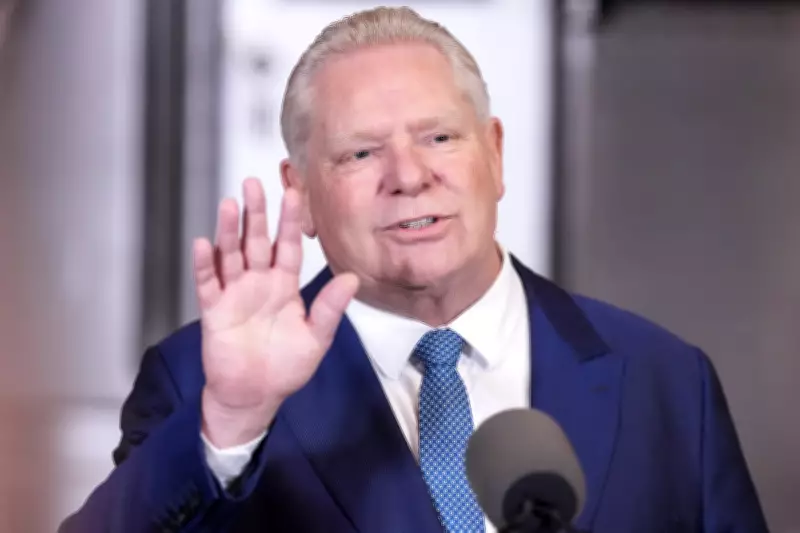
Ontario Premier Doug Ford has taken a decisive step by instructing the province's Attorney General to file an injunction to stop an Al-Quds Day rally planned for Toronto. This move underscores the government's heightened focus on public safety and order in the face of potentially contentious gatherings.
Premier's Directive and Public Safety Rationale
In a clear directive from Queen's Park, Premier Ford has mandated the Attorney General to pursue legal avenues to halt the rally, which is associated with Al-Quds Day—an annual event that has historically sparked controversy and protests in various global cities. The Premier's office has emphasized that this action is driven by concerns over maintaining public safety and preventing any disruptions that could arise from such demonstrations.
The timing of this move coincides with ongoing debates about free speech and assembly rights in Canada, particularly in urban centers like Toronto. Ford's administration has pointed to past incidents at similar rallies as justification for preemptive legal measures, arguing that the potential for unrest warrants intervention to protect community well-being.

Legal and Political Implications
Filing an injunction involves a formal court process where the government must demonstrate that the rally poses a significant risk to public order. This legal strategy could set a precedent for how Ontario handles future protests, balancing constitutional freedoms with security considerations. Experts note that such injunctions are rare and typically reserved for situations deemed to have imminent threats, highlighting the seriousness with which the Ford government views this event.
Political analysts suggest that this action may reflect broader provincial policies aimed at tightening control over public assemblies, especially those linked to international conflicts. It also aligns with Ford's previous statements on law and order, reinforcing his administration's proactive stance on governance and community protection.
Context and Community Reactions
The Al-Quds Day rally, which often draws attention due to its political and religious connotations, has been a point of contention in Toronto for years. While some groups advocate for its continuation as an exercise of free expression, others, including the provincial government, raise alarms about its potential to incite violence or hate speech.
Community leaders and civil liberties organizations are closely monitoring the situation, with some expressing concerns over the implications for democratic rights. This development comes amid a backdrop of other provincial news, such as Ontario's efforts to keep certain government documents secret and ongoing issues in transportation and weather, but it stands out for its direct legal and social impact.
As the Attorney General prepares the injunction filing, the outcome will likely influence not only this specific event but also the broader discourse on protest management in Ontario. The Premier's firm directive signals a commitment to prioritizing safety, though it may spark further debate on the limits of governmental intervention in public demonstrations.