Premiers Ford and Holt Support Carney's Characterization of U.S.-Canada Dynamics
Ontario Premier Doug Ford and New Brunswick Premier Susan Holt have publicly endorsed former Bank of Canada Governor Mark Carney's recent assertion that the current state of the U.S.-Canada relationship is far from normal. This alignment among prominent political figures underscores growing concerns about the bilateral ties between the two nations, which are navigating a complex landscape of economic pressures and diplomatic uncertainties.
A Unified Front on Cross-Border Challenges
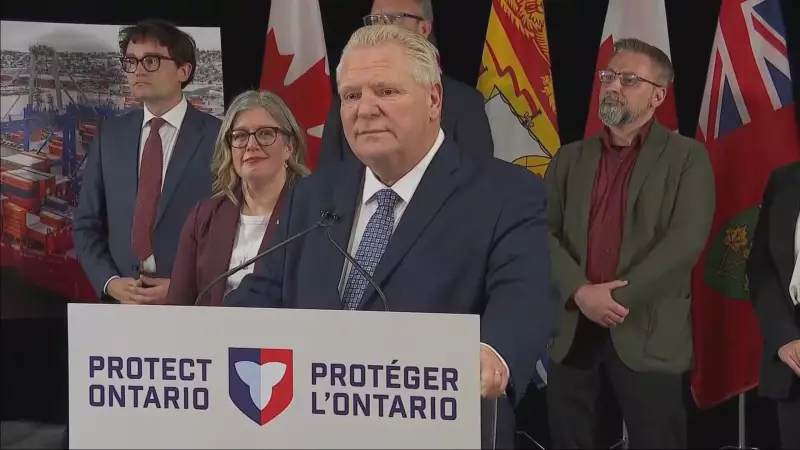
The premiers' backing of Carney's comments came during a joint news conference held on Wednesday, January 28, 2026. Ford and Holt emphasized that the traditional frameworks governing U.S.-Canada interactions are being tested by unprecedented factors, including trade disputes, energy policies, and shifting geopolitical alliances. Their statements reflect a broader consensus among Canadian leaders that the relationship requires careful management to protect national interests.
Economic Implications at the Forefront

Carney, who has served as Governor of the Bank of Canada and the Bank of England, highlighted that the loss of independence at the U.S. Federal Reserve could have particularly severe repercussions for Canada. This viewpoint is echoed by Bank of Canada Governor Tiff Macklem, who has warned that such developments might destabilize financial markets and affect monetary policy coordination. Ford and Holt stressed that provincial economies, heavily reliant on cross-border trade, must prepare for potential disruptions.
Political and Social Dimensions
Beyond economics, the premiers pointed to social and political issues straining the relationship. These include differences in healthcare approaches, environmental regulations, and responses to global crises. Holt noted that collaborative efforts on issues like climate change and public health have become more complicated, requiring renewed diplomatic engagement.
"We must acknowledge that the old playbook no longer applies," Ford stated during the conference. "It's crucial for Canadian leaders to stand united in addressing these challenges proactively."
The support from Ford and Holt adds weight to Carney's analysis, suggesting a coordinated effort to raise awareness about the fragility of U.S.-Canada ties. As both nations approach upcoming elections and policy shifts, this dialogue may influence future negotiations and strategic planning.
Looking Ahead: Strategies for Stability
In response to these concerns, the premiers advocated for:
- Enhanced interprovincial cooperation to bolster economic resilience.
- Increased dialogue with U.S. state governments to bypass federal gridlock.
- Investment in domestic industries to reduce dependency on U.S. markets.
This development occurs amid a backdrop of other national news, from environmental warnings in British Columbia to healthcare issues in Alberta, but the focus on U.S. relations highlights its priority for Canadian governance. The alignment between Carney, Ford, and Holt signals a pivotal moment in cross-border diplomacy, with implications for trade, security, and bilateral cooperation in the years to come.