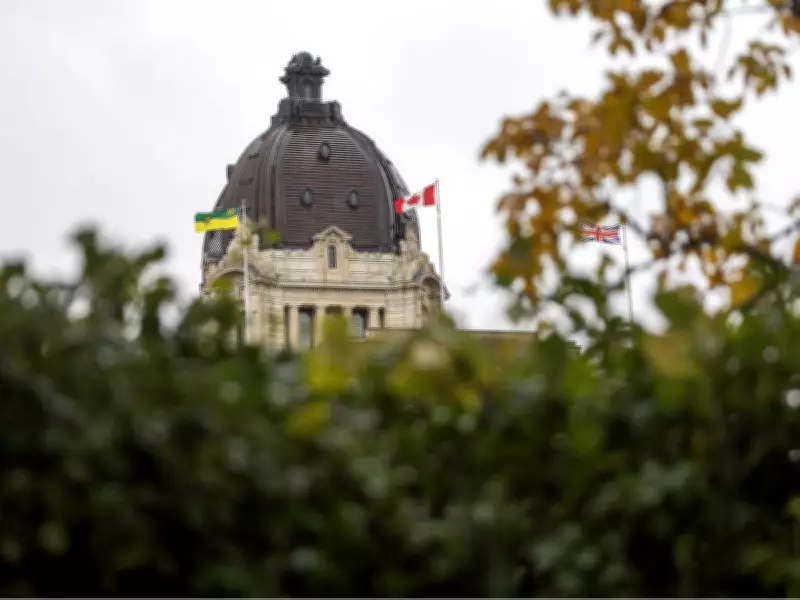
Since March 2, Saskatchewan's elected officials have been in session at the Legislature, drafting bills, debating hot-button issues, and at times engaging in heated exchanges. The spring sitting concluded on May 14, and MLAs are now heading into their summer break. Here is a rundown of five key issues that dominated the session.
1. Health Care in Focus as Deficit Budget Takes Effect
The spring session kicked off with Premier Scott Moe's government tabling the 2026-27 provincial budget, which projected an $819-million deficit. Moe attributed this shortfall to ongoing market volatility and U.S. tariffs. During the budget motion, the Saskatchewan Party leader highlighted the plan's record municipal spending, affordability measures, and a long list of health care commitments outlined in its Patient First Health Care Plan.
The plan contains more than 50 action points focused on training, recruitment, and capital investment. However, it has faced scrutiny. University of Regina policy expert Tom McIntosh warned that more structural changes to boost incentives for health care workers may be necessary to address the root of the province's primary care shortage. Over the last two and a half months, the official opposition has repeatedly referred to the budget as a "bad news budget," even running the document's pages through a wood chipper in a stunt on May 12.

2. Addiction Intervention Sparks NDP Crack
Mirroring federal Conservative policies, the province has moved toward a model of involuntary drug treatment by passing the Compassionate Intervention Act on May 5. The province also says it is working to increase the number of addiction treatment beds from 300 to 500 by March 2027. Premier Scott Moe has said these changes will help ensure those facing substance use disorder have "a recovery opportunity." Under the law, people can be taken into care without their consent if deemed likely to cause substantial harm to themselves or others in the immediate or imminent future.
The NDP brought forward 17 amendments to the act, none of which were passed. The issue sparked a divide between the NDP's caucus and its former mental health and addictions critic, Betty Nippi-Albright, who is now independent. Nippi-Albright said she decided to leave the party after Leader Carla Beck told her not to release a report in which she commissioned two addiction experts to conduct an independent, non-partisan review of the bill. The report indicates that evidence supporting involuntary treatment is lacking. When speaking to reporters after Nippi-Albright's departure, Beck said she supports involuntary treatment as "a last resort."
3. Saskatchewan Party Doubles Down on Coal Extension
In October 2025, Moe's government outlined its plan to extend the lifespan of coal power plants until 2050, framing coal as an affordable bridge to nuclear energy. This has been a source of recent debate. On May 6, the NDP leaked SaskPower documents that calculated the extension, transmission, and fuel costs of continuing the coal fleet at $26 billion.
4. Youth Social Media Ban Proposed
Another hot-button issue was the proposed ban on social media for youth. The government introduced legislation aimed at restricting social media access for minors, citing concerns over mental health and online safety. The bill sparked intense debate, with opponents arguing it infringes on freedom of expression and may be difficult to enforce effectively. The NDP raised concerns about potential unintended consequences and called for more consultation with experts and stakeholders.
5. AI Data Centre Plans Unveiled
The government also unveiled plans for a major artificial intelligence data centre in the province, touting it as a boost for economic diversification and technological innovation. The project is expected to attract investment and create jobs, but critics questioned the environmental impact and energy demands. The NDP called for a thorough environmental assessment and transparency regarding the costs and benefits. The government defended the initiative as a forward-looking investment in Saskatchewan's future.