First Nations Insist on Treaty Respect as Alberta Separation Petition Gains Momentum
Amidst a growing movement for Alberta separation, First Nations leaders are issuing a powerful demand for the respect of their treaty rights. This call comes as a petition for a provincial referendum on independence continues to advance, raising complex questions about sovereignty and Indigenous obligations.
Premier Smith's Stance on Sovereignty
Alberta Premier Danielle Smith has publicly addressed the situation, stating she expects "the U.S. administration to respect Canadian sovereignty" as separatist groups persist in meeting with American officials. This statement underscores the delicate diplomatic balance at play, particularly when provincial political movements engage with foreign governments.
The premier's comments highlight the broader tension between provincial autonomy and federal authority, a debate that has long simmered in Alberta's political landscape. Smith's position reflects concerns about external interference in domestic constitutional matters.

Treaty Rights in the Separation Conversation
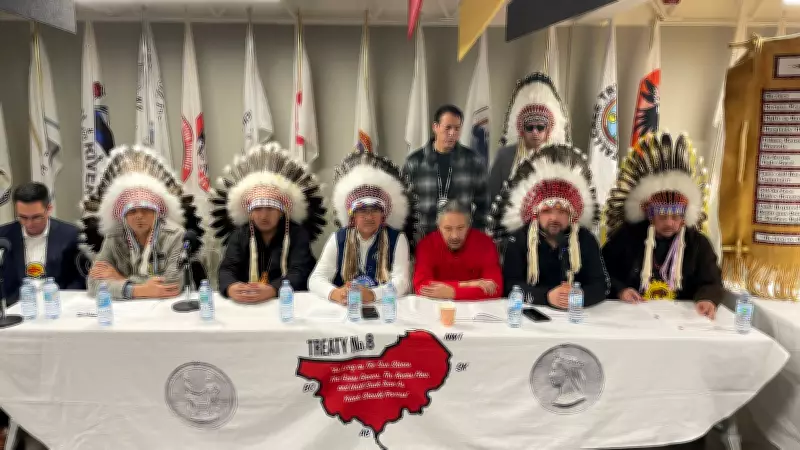
First Nations representatives emphasize that any discussion about Alberta's political future must include meaningful recognition of treaty agreements. These treaties, signed between Indigenous nations and the Crown, establish specific rights and responsibilities that transcend provincial boundaries.
"Our treaties are nation-to-nation agreements that cannot be ignored or set aside in political debates about separation," explained one Indigenous leader involved in the discussions. "Any conversation about Alberta's future must begin with respect for these foundational agreements."
The Referendum Petition's Progress
The separation referendum petition represents a significant organizational effort by Alberta separatists, who argue that the province would be better positioned to manage its resources and economy independently. While the petition's exact timeline remains unclear, its advancement has sparked renewed debate about:
- The constitutional feasibility of provincial separation
- The economic implications for Alberta and Canada
- The role of Indigenous treaty rights in any potential restructuring
- International recognition challenges
Broader Political Context
This development occurs alongside other significant political movements across Canada. Ontario Premier Doug Ford has called on Danielle Smith to "stand up" against separatist pushes, reflecting interprovincial concerns about national unity. Meanwhile, Prime Minister Mark Carney has expressed openness to alternative oil pipeline routes, suggesting potential areas of federal-provincial cooperation despite the separation tensions.
The situation also intersects with ongoing discussions about resource management, environmental policy, and economic diversification in Alberta. These factors contribute to the complex backdrop against which the separation debate unfolds.
Looking Ahead
As the petition continues to gather support, several key questions remain unresolved:
- How will treaty obligations be addressed in separation discussions?
- What constitutional mechanisms would govern a potential referendum?
- How would separation impact Alberta's relationships with Indigenous nations?
- What international recognition challenges would an independent Alberta face?
The coming months will likely see increased dialogue between provincial officials, federal representatives, and Indigenous leaders as these complex issues continue to evolve. The outcome could have significant implications for Alberta's political future and its relationships with both Indigenous nations and the broader Canadian federation.