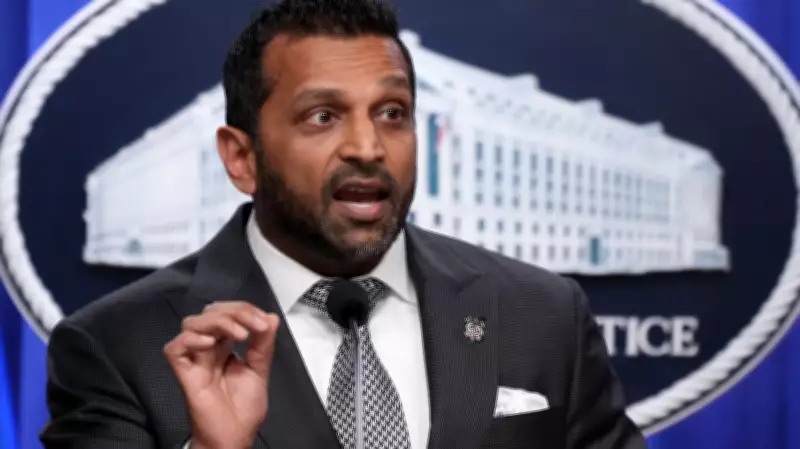
The FBI has initiated a criminal investigation into leaks to an award-winning Atlantic journalist who published a story last month regarding agency director Kash Patel's alleged drinking habits and unprofessional conduct, according to sources who spoke to MS NOW on Wednesday.
Investigation Details
The alleged probe focuses on Sarah Fitzpatrick's article, which stated that individuals within the Trump administration and the FBI have expressed serious concerns about Patel's behavior. More than two dozen sources described to the journalist instances of excessive drinking and partying by Patel, which sometimes led to absences and erratic actions. If the investigation proceeds, FBI agents could gain access to the journalist's phone records, social media contacts, and personal information through bureau databases—a significant escalation against a member of the press.
The story did not involve any known classified information, making what two agents described to MS NOW as an insider-threat investigation highly unusual. Leak investigations typically target government officials disclosing state secrets that could harm national security, not journalists.

One of the agents, who works within the insider-threats unit, told the outlet: They know they are not supposed to do this. But if they don't go forward, they could lose their jobs. You're damned if you do and damned if you don't.
Official Responses
FBI spokesperson Ben Williamson denied the investigation into Fitzpatrick, stating on X: Every time there's a publication of false claims by anonymous sources that gets called out, the media plays the victim via investigations that do not exist.
Atlantic editor-in-chief Jeffrey Goldberg said a potential FBI criminal investigation targeting reporters over a leak would represent an outrageous attack on the free press and the First Amendment itself. He added: We will defend The Atlantic and its staff vigorously. We will not be intimidated by illegitimate investigations or other acts of politically motivated retaliation; we will continue to cover the FBI professionally, fairly, and thoroughly; and we will continue to practice journalism in the public interest.
Patel denounced Fitzpatrick's story immediately after publication, suing the journalist and magazine for defamation and demanding $250 million. Legal commentators have widely said that the civil lawsuit, which also does not allege that sources leaked classified information to Fitzpatrick, is likely to fail.
Seth Stern, chief of advocacy for the Freedom of the Press Foundation, said in a statement: The FBI's probe would be outrageous even if The Atlantic reported classified information, which it didn't. The FBI is reportedly conducting an invasive leak investigation merely to settle a personal vendetta. Separately, it doesn't make much sense for Patel's FBI to investigate leaks from what Patel's lawsuit over the same reporting called 'sham sources.' Fake sources can't leak.
Pattern of Intimidation
The alleged investigation is not the first time Patel's bureau has tried to intimidate journalists. In March, the FBI began investigating New York Times reporter Elizabeth Williamson over reporting about Patel allegedly using bureau resources to expense security and transportation for his girlfriend. The FBI said it declined to pursue a case.
In December, Washington Post reporter Hannah Natanson wrote about how more than a thousand sources had spoken with her about the Trump administration's overhaul of the federal government—reporting that recently won her a Pulitzer Prize. Weeks after the essay's publication, FBI agents seized Natanson's devices in a search warrant on her home as part of what they said was a probe into a contractor charged with sharing classified information.
Atlantic writer David Graham said in a piece on Wednesday: If the [MS NOW] report is true, Patel appears to have launched a criminal investigation into a reporter simply because he was embarrassed by her reporting. Even for an administration with an awful record on press freedom, and a bureau with a history of unsavory actions by directors, this is a dangerous step.