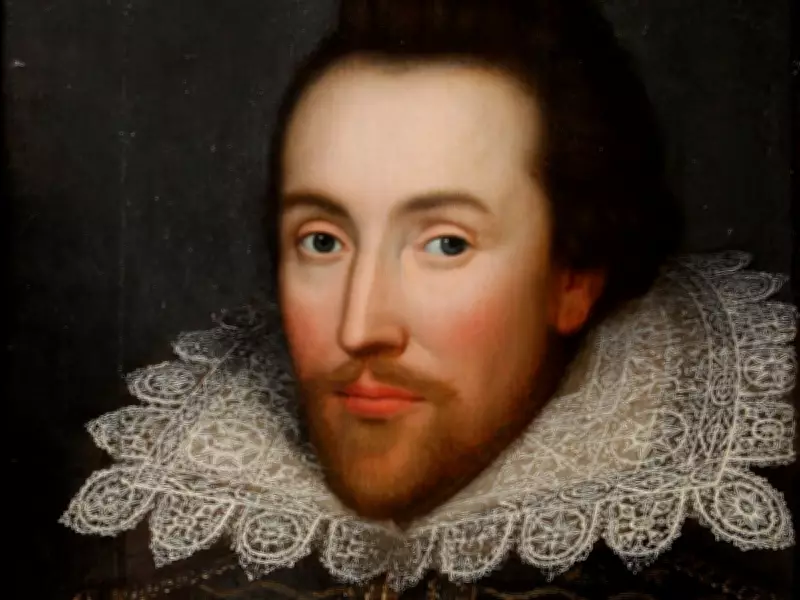
The Shakespeare Birthplace Trust, custodian of the playwright's legacy, has launched an investigation into how William Shakespeare's work advanced "white supremacy." This move has sparked debate, with critics calling it a farcical attempt to "decolonize" a literary giant whose themes of love, betrayal, friendship, madness, and the perils of power are universal.
Accusations of Cultural Supremacy
The Trust commissioned Dr. Helen Hopkins of Birmingham City University to conduct research, which led to recommendations that Shakespeare's work be acknowledged as causing "epistemic violence" and that he be presented not as the greatest playwright but as one among many. The project aims to scrutinize Shakespeare for links to colonialism and any racist, sexist, homophobic, or harmful language.
Critics Respond
Columnist Michael Murphy argues that such efforts are driven by envy and resentment disguised as cultural criticism. He points out that Shakespeare's enduring appeal across cultures and centuries is a testament to his universal insights, not a product of supremacist narratives. Murphy invokes James Baldwin and Steven Pinker to highlight how literature fosters empathy and reduces violence, contrasting with the narrow lens of the Trust's investigation.

The controversy underscores a broader debate about how to engage with historical figures and their works in a modern context, with many defending Shakespeare's legacy as a shared human treasure rather than a symbol of oppression.