Former U.S. Counterterrorism Director Resigns Over Iran War, Cites Israel Lobby Pressure
Joe Kent, the former Director of the U.S. National Counterterrorism Center, has resigned from his position in protest of the ongoing conflict with Iran. In his resignation letter, Kent attributed the initiation of the war to pressure exerted by Israel and its influential American lobby, a statement that has ignited significant controversy and accusations of antisemitism.
Accusations of Antisemitic Tropes Emerge
Kent's assertion that America "started this war due to pressure from Israel and its powerful American lobby" has been sharply criticized as promoting antisemitic stereotypes. Critics argue that this rhetoric perpetuates the harmful trope that Jewish individuals or entities covertly control American foreign policy decisions.
Senator Mitch McConnell publicly condemned Kent's remarks, labeling the resignation letter as spreading "virulent antisemitism." This condemnation underscores the sensitive nature of the allegations and the broader debate surrounding the influence of lobbying groups on U.S. international engagements.

Historical Context of U.S.-Iran Relations
Contrary to Kent's claims, historical analysis suggests that tensions between the United States and Iran have deep roots, primarily stemming from the 1979 Iranian Revolution. For over four decades, Iran has consistently expressed hostility toward America, with its parliamentarians frequently chanting "death to America" and referring to the U.S. as the "Big Satan."
Furthermore, Iran has been implicated in the deaths of thousands of American soldiers through its proxy forces in conflicts across Lebanon and Iraq. The regime has also repeatedly undermined efforts to negotiate a nuclear agreement, exacerbating diplomatic strains and contributing to the current military confrontation.
Regional Implications and Shifting Alliances
The war has extended beyond a direct conflict between America, Israel, and Iran, influencing regional dynamics significantly. Notably, Qatar, which has historically maintained a neutral or mediating stance toward Iran, recently declared Iranian military and security attaches in Doha as persona non grata, ordering their expulsion within 24 hours.
This move signals a potential shift as former Iranian allies begin to distance themselves from the regime, further isolating Tehran on the international stage. The conflict presents an opportunity to degrade Iran's military capacities, potentially stabilizing neighboring countries like Lebanon and Iraq while enhancing security for Gulf States such as Kuwait, Qatar, and Saudi Arabia.
Internal Pressures and Strategic Considerations
Recent assassinations of high-ranking Iranian officials, including security chief Ali Larijani and Intelligence Minister Esmail Khatib, indicate internal strain and possible intelligence penetration within the regime. Despite these setbacks, Iran retains control over critical strategic points like the Strait of Hormuz and continues to launch ballistic missiles at Israel, resulting in casualties.
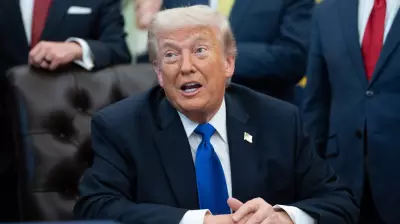
President Donald Trump now faces critical decisions regarding the war's endgame. Options range from forcing a regime change to merely weakening the existing government. Some analysts argue that a comprehensive victory must involve the complete dismantling of Iran's nuclear, missile, drone, and terror capabilities to prevent future aggression.
However, concerns persist that if the regime survives, it could rebuild more aggressively, posing an even greater threat to regional and global security. The potential for increased attacks on Jewish institutions worldwide underscores the high stakes involved in determining the conflict's ultimate outcome.