Former Counterterrorism Director Resigns, Accuses Conservative Media of Driving Iran Conflict
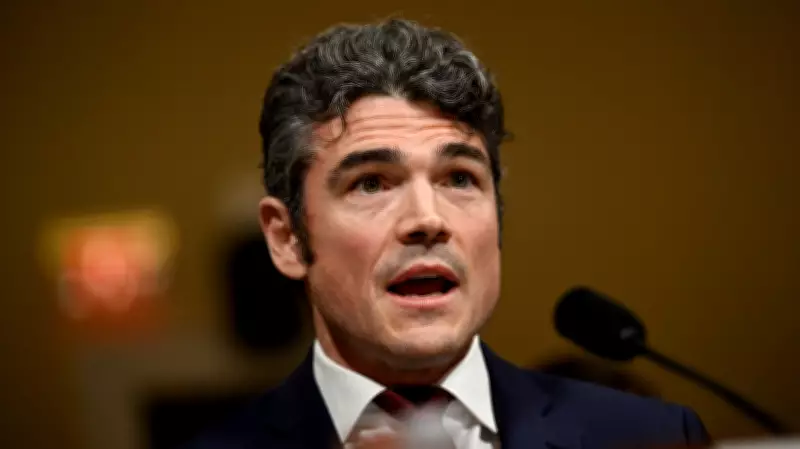
In a dramatic and heated radio confrontation, Joe Kent, the former director of the National Counterterrorism Center, launched a blistering attack on what he termed the conservative "media echo chamber." Kent asserted that this influential network played a pivotal role in convincing President Donald Trump to initiate military action against Iran. The explosive exchange occurred during an interview with prominent right-wing radio host Mark Levin, where Kent did not mince words about his beliefs regarding the origins of the conflict.
A Resignation in Protest Over Perceived Israeli Pressure
Kent, who has long been associated with far-right extremist circles and is known for promoting conspiracy theories, made headlines last week by abruptly resigning from his high-level position. His resignation was a direct protest against Trump's decision to go to war with Iran. In his official resignation letter, Kent argued forcefully that Iran "posed no imminent threat to our nation." He went further, stating unequivocally that the United States "started this war due to pressure from Israel and its powerful American lobby." This bold claim set the stage for his contentious appearance on Levin's show.
Confrontation Over Media Influence and Shifting Red Lines
During the radio interview, Kent elaborated on his accusations, claiming that over the past year, Israel had systematically moved Trump's diplomatic red line. "We watched the Israelis through their official engagements with members of our government and the media echo chamber, which I believe you are a part of, move President Trump's red line from saying that Iran can't have a nuclear weapon to saying Iran can't have any enrichment," Kent told Levin. He emphasized that it was "evident that the Israelis still wanted regime change in Iran and they were going to continue to push" even after U.S. strikes on Iranian nuclear facilities in June of the previous year.

Kent specifically called out "the media echo chamber that wanted a regime change in Iran," explicitly including Levin's program in that category. Levin fired back defensively, asking, "What about the media echo chamber, your buddies who didn't want regime change in Iran? There's a lot of echo chambers out there." However, Kent stood firm, retorting that Levin's side of the media echo chamber "was much more successful" in influencing policy.
Heated Denials and Accusations of Indirect Lobbying
The confrontation grew increasingly tense as Levin vehemently denied any direct lobbying of the president. "I never lobbied the president. Hey, pay attention to me. I never lobby the president," Levin snapped. "You guys keep putting that crap out there. I met with the president once, at his request, and I said to the president — ready for this, Joe — I said, 'They're saying out there that I'm lobbying you.' You know what he did? He laughed." Levin added that Trump mentioned watching his show on weekends, seemingly to underscore their rapport without formal influence.
Unconvinced, Kent countered that Levin could effectively lobby Trump "by using the power of your show," suggesting that media platforms wield significant indirect pressure. Levin dismissed this notion, telling Kent, "Come on, brother, you're sounding almost ridiculous now." This exchange highlighted the deep rift between Kent's view of media as a driving force in foreign policy and Levin's defense of his role as merely informative.
The incident underscores ongoing debates about media influence in political decision-making, particularly in matters of war and national security. Kent's resignation and public accusations add a controversial chapter to the narrative of U.S.-Iran relations under the Trump administration, raising questions about the interplay between media, lobbying, and executive action.