EU Leaders Condemn Viktor Orbán for Vetoing Ukraine Loan, Accuse Election Games
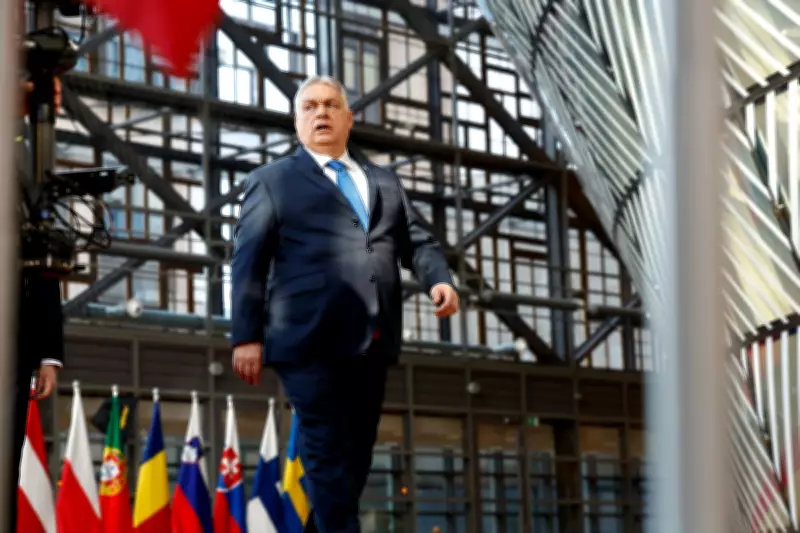
European Union leaders have launched a scathing critique of Hungarian Prime Minister Viktor Orbán, accusing him of engaging in political maneuvering for electoral gain after he vetoed a vital loan package for Ukraine. The confrontation erupted during a high-stakes EU summit held in Brussels on March 19, 2026, highlighting deepening divisions within the bloc over support for Kyiv amid ongoing regional conflicts.
Accusations of Political Opportunism
Multiple senior EU officials have publicly denounced Orbán's decision to block the financial assistance, with some suggesting his actions are strategically timed to bolster his domestic political standing ahead of upcoming Hungarian elections. "This veto is not about policy; it's about playing election games at the expense of European unity and Ukrainian stability," one anonymous diplomat stated, reflecting widespread frustration among member states. Critics argue that Orbán is leveraging the Ukraine issue to rally nationalist support, potentially undermining collective EU foreign policy objectives.
Implications for EU-Ukraine Relations
The vetoed loan was intended to provide urgent economic support to Ukraine, which continues to face significant challenges due to prolonged geopolitical tensions. By obstructing this funding, Orbán has not only strained Hungary's relations with fellow EU members but also raised concerns about the bloc's ability to present a cohesive front in international affairs. The incident underscores ongoing debates within the EU regarding the balance between national sovereignty and collective action, particularly in matters of security and aid.

Broader Context of EU Summit Dynamics
The Brussels summit, attended by Orbán and other EU leaders, was marked by heated discussions on multiple fronts, including economic policies and defense cooperation. However, the Ukraine loan veto dominated proceedings, exposing fissures that could impact future EU decision-making processes. Analysts note that such internal conflicts may embolden external actors seeking to exploit divisions within the union, potentially weakening its global influence.
As the situation unfolds, EU officials are exploring alternative mechanisms to deliver aid to Ukraine, possibly through bilateral agreements or revised multilateral frameworks. The outcome of this dispute will likely shape the EU's approach to future crises, testing its resilience and capacity for unified action in an increasingly volatile world.