Just when it seemed that the current city council's contribution to public infrastructure would be limited to decisions on replacing ancient buses or tearing down decrepit arenas, the group now faces a much larger challenge: the loss of two iconic bridges.
City Administration's Bombshell Announcement
City administration's announcement that a pair of Edmonton's iconic river crossings need to come down is nothing short of a bombshell that will reverberate for years through city finances, politics, and transportation dynamics.
"Generational infrastructure" is how the city's deputy manager of infrastructure, Sara Nichols, termed the call to fully replace the structures rather than rehabilitate them again.

The Bridges at Risk
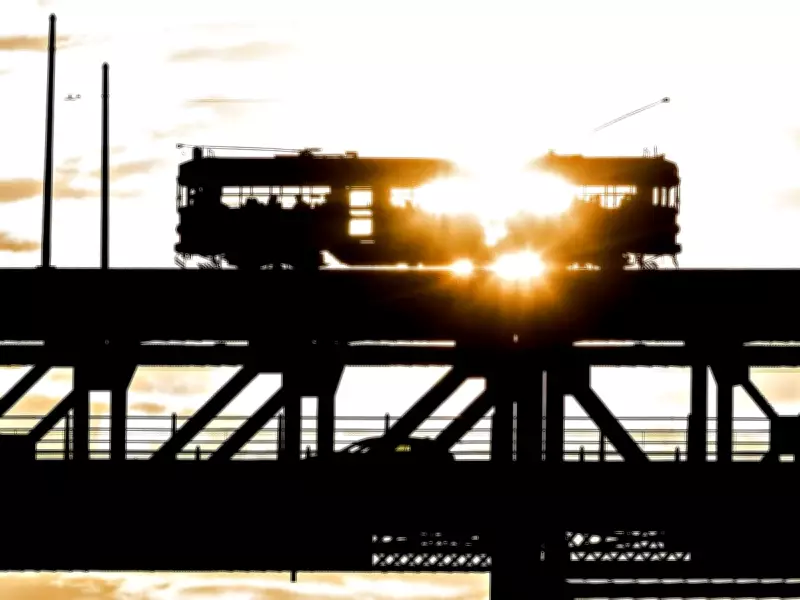
The 126-year-old Low Level Bridge, Edmonton's first river crossing, and the 113-year-old High Level Bridge are historic landmarks that offer a connection to the city's past. The High Level Bridge was instrumental in Edmonton's amalgamation with Strathcona and is a rare example of a crossing that accommodated trains, automobiles, streetcars, and pedestrians.
These bridges are vital arteries for moving people in and out of Edmonton's core. It says something about the city, both good and bad, that so much traffic flow still depends on these geriatric crossings.
From Rehabilitation to Replacement
Previously, the city was moving ahead with plans for another round of refurbishment to extend the bridges' lives. Money had been set aside, traffic workarounds conceived, and lengthy closures scheduled, including a three-year shutdown for the High Level Bridge.
However, during preparation for the work, bridge experts took a more detailed scan of piers, trusses, and substructures. They found that this was not the usual repair game. The analysis led to a conclusion that a shift in mindset is needed to "prepare for their eventual decommissioning," according to a report from city managers.
Refurbishment of the bridges is still possible, but it would be prohibitively expensive. For the High Level Bridge, council had set aside $200 million for rehabilitation, but the expanded scale of work has nearly doubled the estimated price tag.
"At 113 years old, the bridge is beyond the end of its lifecycle, making rehabilitation a high-risk, high-cost endeavour with an extended construction schedule," the city report states. "Every 20 to 25 years, another renewal will be required, each time more expensive and riskier than the previous, if even possible. Maintaining the High Level Bridge in operation for the next 75 years could require a total investment of upwards of $1 billion."
The decision to replace these iconic structures represents a historic opportunity to rethink Edmonton's transportation network, but it also poses significant financial and logistical challenges for the city.