B.C. Premier David Eby Denounces Reported Alberta Separatist Meeting with U.S. Official as 'Treason'
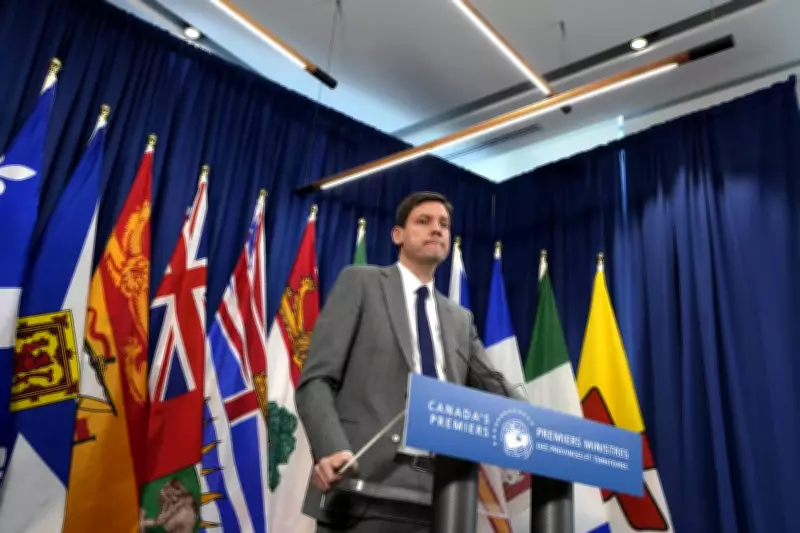
British Columbia Premier David Eby has issued a stark condemnation of a reported meeting between Alberta separatist groups and a United States official, labeling the interaction as "treason" against Canada. The premier's forceful remarks came during a media briefing following a Council of the Federation meeting in Ottawa, where he addressed concerns over national unity and foreign interference.
Eby's Strong Reaction to Separatist Engagement
Premier Eby expressed profound dismay at the alleged engagement, emphasizing that such actions undermine the sovereignty and integrity of the Canadian federation. "Any discussion with foreign entities that seeks to destabilize our country is not just irresponsible—it borders on treason," Eby stated. He highlighted the importance of maintaining strong interprovincial relations and a united front in dealing with international matters.
The premier's comments reflect growing tensions over separatist sentiments in Alberta, which have periodically surfaced in political discourse. Eby urged all Canadian leaders to prioritize national cohesion and to reject any efforts that could fragment the country.

Context and Implications for Canadian Politics
This incident occurs against a backdrop of ongoing debates about federal-provincial dynamics and the role of foreign influence in domestic affairs. Eby's characterization of the meeting as treasonous underscores the serious legal and ethical implications of such interactions. It raises questions about:
- The boundaries of political advocacy and separatist movements within Canada.
- The potential risks of foreign officials engaging with non-governmental groups on sensitive national issues.
- The responsibilities of provincial leaders in safeguarding national unity.
While details of the meeting remain sparse, Eby's reaction has sparked a broader conversation about loyalty and the limits of political dissent in a democratic society. His stance is likely to resonate with many Canadians who value national solidarity, particularly in an era of global geopolitical uncertainties.
Broader National Unity Concerns
Eby's remarks also touch on deeper concerns about the fragility of Canadian unity, especially in regions with strong regional identities. By invoking the term "treason," he has placed this issue in a stark light, challenging both the separatists and the U.S. official involved to consider the consequences of their actions. This development may prompt further scrutiny from federal authorities and could influence upcoming political discussions on intergovernmental relations.
As the situation unfolds, observers will be watching for responses from Alberta's political leadership and the federal government. Eby's outspoken position sets a clear precedent for how such matters might be addressed in the future, emphasizing the need for vigilance against any threats to Canada's constitutional framework.