B.C. Premier Eby Condemns Alberta Separatists' U.S. Meetings as 'Treason'
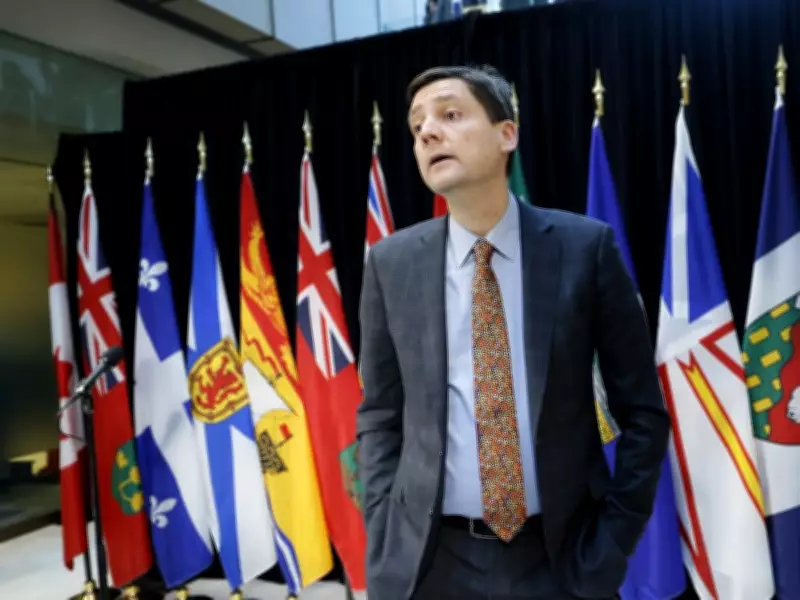
British Columbia Premier David Eby has sparked controversy by labeling reported meetings between Alberta separatists and the U.S. administration as "treason". The comments came on Thursday as premiers and the prime minister gathered in Ottawa to discuss the Canada-U.S. trade relationship.
Eby's Strong Words on Foreign Interference
Speaking to reporters before the First Ministers Meeting, Eby acknowledged the right to free speech and referendum discussions within Canada. "Now I understand the desire to hold a referendum to talk about the issues you want to talk about, in Canada we have free speech and that's important," he stated.
However, he drew a firm line at engaging foreign powers. "But to go to a foreign country and to ask for assistance in breaking up Canada, there's old fashioned word for that, and that word is treason," Eby declared emphatically.

Context of the Premiers' Meeting
The Thursday meeting was convened to ensure provincial interests are adequately represented in the upcoming review of the Canada-United-States-Mexico Agreement (CUSMA), scheduled for this year. Against this backdrop of trade discussions, Eby's remarks highlight underlying tensions regarding national unity.
Alberta Prosperity Project Meetings Revealed
Eby was responding to news reports indicating that members of the Alberta Prosperity Project have met with the U.S. State Department multiple times since last April. The group is reportedly seeking funding if a referendum on Alberta separation passes.
"It is completely inappropriate to seek to weaken Canada, to seek to go and ask for assistance, to break up this country from a foreign power," Eby added, underscoring his stance on the issue.
Commitment to Raise the Issue
The premier confirmed that he intends to bring up the matter during the Thursday meeting with other premiers and the prime minister. This move signals his determination to address what he perceives as a serious threat to Canadian sovereignty and cohesion.
The situation continues to develop as political leaders navigate complex interprovincial and international dynamics.