When Doug Ford first complained last fall about the high cost of Toronto Blue Jays tickets on the secondary market, he said that the fact that one company controlled the industry was, in his trademark folksy way, “not right for the people.”
“I just don’t believe in one company, and that’s what’s happening right now with Ticketmaster, in my opinion,” the Ontario Premier said.
Ford has now addressed that problem by effectively banning the resale market — and leaving Ticketmaster in an even more dominant position. That’ll show ‘em.

Among the items in the omnibus budget bill that was passed last week were changes to the provincial Ticket Sales Act, which now prohibits the resale of tickets for any amount above the all-in original cost. Ticketmaster immediately moved to delist resales on Friday, while other platforms like StubHub were slower to react and left their markets unchanged.
A spokesman for StubHub told the National Post that after a Monday meeting with Ontario officials, it will move toward compliance with the new law. SeatGeek also says it will follow the new restrictions.
That means that anyone sitting on tickets to an upcoming concert or sporting event in the province in the next few months — say, for example, the World Cup — and hoping to turn a sweet profit as demand rises closer to the date will now find themselves running afoul of the law.
Ontarians can be forgiven for not realizing this was happening. While the Ford government had indicated its desire to make the change, which is a complete reversal of its 2019 decision to remove the price cap — 50 per cent above original cost — that had been introduced by the previous Liberal government, there was no public-hearing period to consider the potential impact of the new law. It was just wrapped into the budget, and because the opposition parties had also called for such a change in the fall — they, too, were really mad about the cost of World Series tickets — there was no public pushback.
So, the change was made. The legal resale market has been scrapped. Sellers can list tickets for the total amount they paid, including fees and taxes, but they would lose money on such a transaction once the resale platform takes its cut.
And now the Ford government is about to get a lesson in unintended consequences.
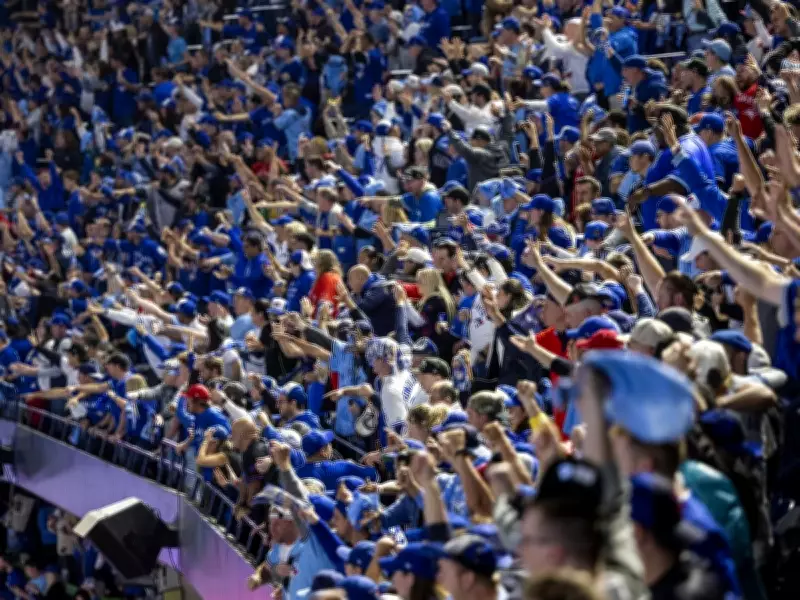
This was, from the outset, always a solution in search of a problem. Yes, Jays tickets were extraordinarily expensive on resale sites during the World Series, but that’s because they were a high-demand, low-supply item. That people were willing to pay four figures to sit in the 500 level at the Rogers Centre for Game 7 was not an indication that they were getting ripped off, it was the free market in action. Lamentations from politicians that families were having to choose between groceries and playoff baseball were even more bizarre: anyone on a tight budget should not be in the market for a ticket to a once-in-three-decades Toronto baseball event. It’s like complaining that first-class airline tickets aren’t affordable for “the people.” No, they are a luxury item. That’s the whole point!
Ford, of course, usually presents himself as a big fan of the free market. Just a couple of weeks ago, as he was blowing off concerns about algorithmic pricing and calling a potential city-run grocery store as “the craziest idea I’ve ever heard,” the premier was explaining to reporters that competition in the marketplace was the best way to lower prices.