Congressional Outcry Over Epstein Files Transparency
In a dramatic escalation of the Jeffrey Epstein scandal, members of Congress are accusing the U.S. Department of Justice of engaging in an ongoing cover-up despite the release of millions of documents. The controversy centers on allegations that the Trump administration is illegally withholding critical information about Epstein's network of powerful associates.
Allegations of Improper Redactions and Concealment
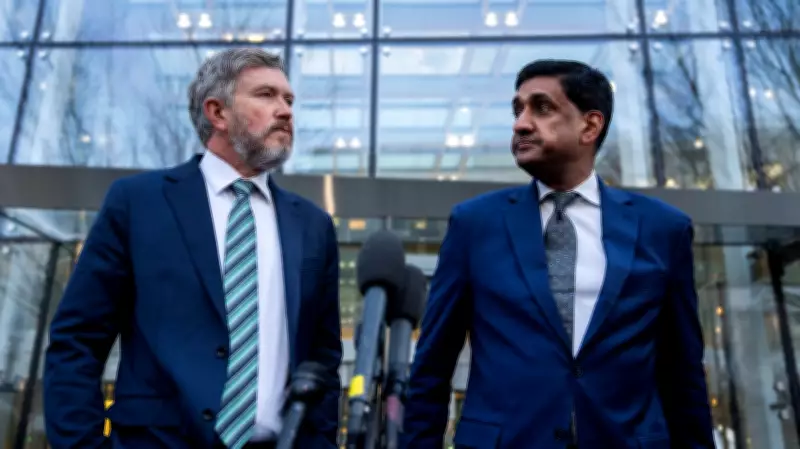
Representatives Ro Khanna (D-Calif.), Jamie Raskin (D-Md.), and Thomas Massie (R-Ky.) have publicly stated that the Justice Department is unnecessarily and unlawfully suppressing details about Epstein's relationships with influential figures. Khanna, a lead sponsor of the Epstein Files Transparency Act, emphasized the dual nature of the situation: "It's both an exposure in a big way, but it's also a cover-up." He pointed to hundreds of FBI documents containing interviews with Epstein's victims that were improperly redacted, potentially obscuring the identities of co-conspirators who could face charges.
Attorney General Pam Bondi defended the department's efforts, noting that over 500 attorneys reviewed millions of pages, releasing more than 3 million pages and 180,000 images to the public. She asserted that redactions were made to protect victims' privacy, with immediate corrections if names were inadvertently disclosed. However, the Justice Department attributed redaction errors to the FBI, fueling skepticism among lawmakers.

Revelations from Less-Redacted Material
Khanna and other congressmen were granted access to less-redacted material on four computers within a Justice Department office. Using this confidential information, they identified improper redactions in public documents, prompting the department to uncensor them. This action revealed the identities of several men associated with Epstein, including the former CEO of Victoria's Secret and a prominent Emirati businessman, who were named as possible co-conspirators.
The law explicitly prohibits redactions based on embarrassment, reputational harm, or political sensitivity, including for government officials or foreign dignitaries. As the department faces a deadline to justify its redactions to Congress in writing, the stage is set for another round of high-profile questions about legal compliance.
Bipartisan Pressure and Political Maneuvers
Representative Nancy Mace (R-S.C.), who joined Massie in using a discharge petition to force a vote on the Epstein disclosure bill, echoed Khanna's concerns. She highlighted that memos and attachments on potential co-conspirators remain hidden, with the DOJ citing data receipt methods as an excuse. Mace declared, "The American people deserve every page. Every name. And every truth the government is holding onto."
To ensure accountability, Khanna suggested continuing with court filings and media pressure, noting that these methods have been effective so far. Massie, in social media posts, claimed credit for forcing the department to unredact questionable items and accused FBI director Kash Patel of lying to Congress about evidence of sex trafficking crimes by others alongside Epstein and Ghislaine Maxwell.
Trump's Involvement and Timeline Confusion
The latest batch of material includes a Palm Beach police detective's recollection of speaking with Donald Trump in 2006, where Trump reportedly said, "Thank goodness you're stopping him, everyone has known he's been doing this." This contradicts Trump's past claim of having "no idea" about Epstein's criminal activities and raises doubts about the president's account of their friendship's end.
Previously, the White House claimed Trump severed ties because Epstein was a "creep," while Trump cited staff poaching from Mar-a-Lago around 2000. However, reports indicate Epstein was banned from the club in 2007, after his behavior became public. An improperly redacted email from Epstein to Maxwell, discovered by Raskin, adds to the confusion. It summarized a conversation with Trump's lawyers around 2009, stating Epstein was a guest at Mar-a-Lago and was never sent away.

Raskin questioned the redaction's legality, noting it did not align with federal law aimed at protecting victims' privacy. He emphasized, "It's certainly not within the terms of the federal law, which is just to redact to protect the victims in their privacy." This ongoing saga underscores deep-seated issues of government transparency and accountability in one of the most high-profile cases in recent history.