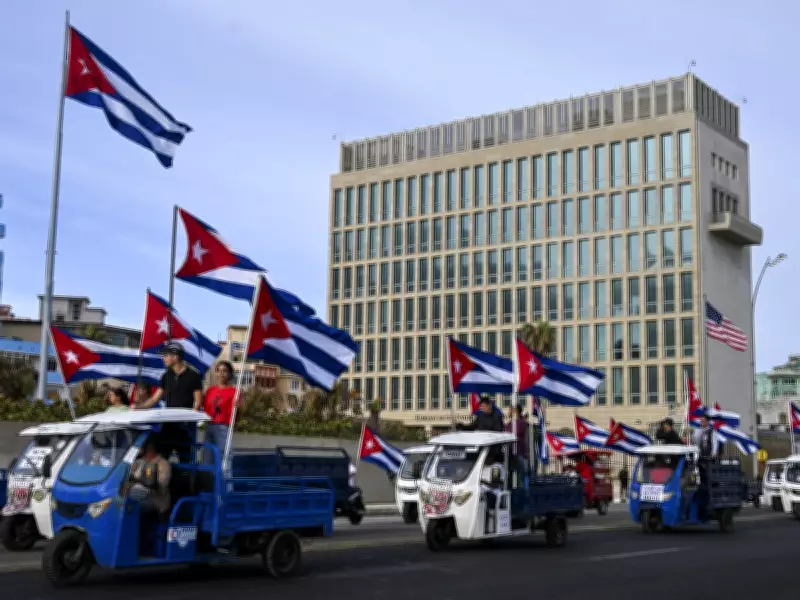
Cuban Skeptics Question Leftist Aid Mission's Motives Amid Fuel Crisis
The Nuestra América Convoy to Cuba (NACC), a humanitarian aid mission delivering tonnes of food, medicine, and solar equipment to the Cuban people in protest against U.S. sanctions, has been framed as a gesture of international solidarity. However, many Cubans on the island and abroad view it with skepticism, calling it a propaganda stunt that legitimizes the Cuban dictatorship without addressing political realities.
International Figures Join Controversial Mission
Prominent participants in the NACC included U.K. MP and former Labour Party leader Jeremy Corbyn, the Irish band Kneecap, and Colombian senator and presidential candidate Clara López, alongside other international parliamentarians and activists. The mission aimed to highlight the impact of U.S. sanctions, but it has sparked debate among Cubans who feel it ignores the oppressive nature of their government.
"They only mention the embargo part but never that Cuba is a dictatorship that we didn’t vote for," said one Cuban critic, reflecting a common sentiment among skeptics who believe the mission overlooks political repression.

Fuel Shortage Exacerbates Humanitarian Crisis
Cuba is facing a severe humanitarian crisis induced by fuel shortages, exacerbated by a U.S. oil blockade that cut off non-private foreign fuel shipments for months. Although the recent arrival of a Russian oil tanker in Cuban waters suggests the blockade may be softening, the island continues to struggle with widespread power cuts and economic hardship.
In this context, the NACC's use of electric vehicles to conserve fuel was noted, but some Cubans criticized delegates for staging concerts and staying in hotels with seemingly unaffected electricity supplies, contrasting sharply with the daily struggles of ordinary citizens.
Mixed Reactions from Cuban Citizens
Cubans from across the island shared their thoughts with media outlets, requesting anonymity due to fears of reprisals from an increasingly repressive government. While some appreciated the humanitarian gesture, others expressed deep concerns about corruption and the mission's true intentions.
One construction site manager from Havana stated, "It’s great that, on a humanitarian level, foreigners sympathize with everything that is happening to the Cuban people now, and their decision to bring food and other aid is laudable."
However, a male Havana resident in his late twenties working in a private business voiced worries about aid distribution: "The functionaries will keep the best of the aid for themselves and donate the rest as they see fit." This concern is bolstered by reports, such as from Mexican broadcaster TV Azteca, that food aid from the Mexican government intended for free distribution was resold in Cuban dollar-only stores linked to military officials.
Cynicism Towards Aid Delegates
Frustration extends beyond Havana, with one young man in his early twenties from Santiago expressing cynicism: "The people from the 'humanitarian aid' are ignorant or not honest … or both. Many Cubans are complaining about those people wasting the little power we have left."
This sentiment highlights a broader skepticism among Cubans who feel that international leftists behind the mission "actually know nothing" about the realities of life under the dictatorship. They argue that the focus on sanctions alone ignores the lack of democratic freedoms and systemic corruption.
As Cuba grapples with ongoing fuel shortages and political repression, the NACC mission serves as a flashpoint for debates about international solidarity, propaganda, and the complex dynamics of aid in authoritarian contexts.