Cuba Confirms Dialogue with United States Amid Deepening Energy Crisis
In a significant development, Cuban President Miguel Díaz-Canel publicly acknowledged on Friday that his government has engaged in discussions with the United States. This marks the first official confirmation from the Caribbean nation regarding such bilateral talks, which occur as Cuba grapples with a severe and worsening energy crisis that has plunged millions into darkness and disrupted daily life.
Purpose and Context of the Discussions
President Díaz-Canel stated that the talks were "aimed at finding solutions through dialogue to the bilateral differences between our two nations." He attributed the facilitation of these exchanges to unspecified international factors, though he provided no further elaboration on the details or participants involved. The White House, when asked for comment, referenced public remarks by former U.S. President Donald Trump, who has repeatedly hinted at discussions with Cuba and urged the nation toward an agreement, particularly to avoid a scenario similar to Venezuela's turmoil.
Adding a layer of intrigue, two U.S. officials revealed on Friday that Secretary of State Marco Rubio and senior aides met secretly in the Caribbean at the end of February with Raúl Guillermo Rodriguez Castro, the grandson of retired Cuban leader Raul Castro. This meeting took place on the sidelines of a Caribbean Community leaders' gathering in St. Kitts and Nevis. The officials, speaking anonymously due to the sensitivity of the matter, noted that Rubio had previously declined to disclose any contacts with Cuban government representatives.

Severe Energy Shortages and Their Impact
The backdrop to these diplomatic overtures is a dire energy situation. Díaz-Canel reported that no petroleum shipments have arrived in Cuba for the past three months, a situation he blames on the U.S. energy blockade. The island is currently relying on natural gas, solar power, and thermoelectric plants, but the depletion of fuel oil and diesel has forced two power plants to shut down and limited generation at solar parks. A major blackout last week left millions in western Cuba without electricity.
"The impact is tremendous," Díaz-Canel emphasized, noting that the power deficit has crippled communications, education, and transportation. The government has had to postpone surgeries for tens of thousands of people. Cuba, which produces 40% of its petroleum domestically, has seen production output drop, exacerbating the crisis. "Without energy, no country can produce at normal levels. All of this has meant making adjustments to employment," he added.
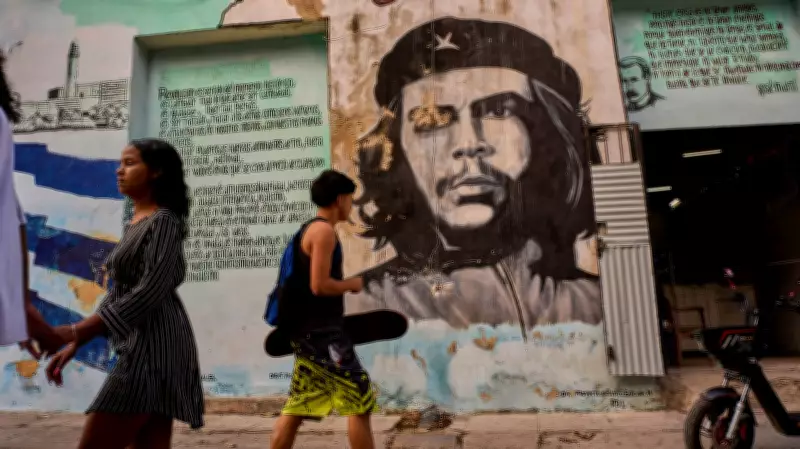
In response, Cuba has implemented austere fuel-saving measures, including converting over 115 bakeries to run on firewood or coal. Citizens expressed desperation and hope for the talks. Elvis Hernández, 62, said, "Cubans are desperate. You can’t live without water or electricity. That’s why we want a consensus to be reached." Miguel García, 65, welcomed the news, stating, "If all of this leads to agreements and solutions that will improve our lives, then all the better, because the situation is quite difficult right now."
Potential Embassy Staffing Reductions and Diplomatic Implications
The U.S. State Department is considering drawing down staffing at the U.S. Embassy in Havana due to fuel shortages that could impair diplomatic operations, according to U.S. officials. They stressed that solutions are being explored, but a reduction would likely prompt a U.S. demand for a similar cut at the Cuban embassy in Washington. Brian Fonseca of Florida International University warned that such a move could hinder U.S. understanding of ground realities in Cuba, especially as Trump pushes for change on the island.
Broader Regional Tensions and Incidents
The energy crisis has been intensified by the halt of critical oil shipments from Venezuela after the U.S. intervened there and arrested then-President Nicolás Maduro. The Trump administration has since warned Cuba of a similar fate. Trump recently told Latin American leaders that Cuba is "very much at the end of the line" and anticipated "great change" soon, criticizing the regime's philosophy and economic struggles.

In a related development, Díaz-Canel confirmed that FBI officials will visit Cuba to investigate a recent incident where a Florida-flagged boat was shot in Cuban waters, resulting in four deaths among ten Cubans from the U.S. after an alleged attack on local troops. A fifth suspect later died, and the remaining five face terrorism charges.
As Cuba navigates these multifaceted challenges, the confirmed talks with the U.S. represent a pivotal moment, though their outcome remains uncertain amid ongoing energy deprivation and diplomatic complexities.