Conservative Convention Reveals Election Strategy Against Carney
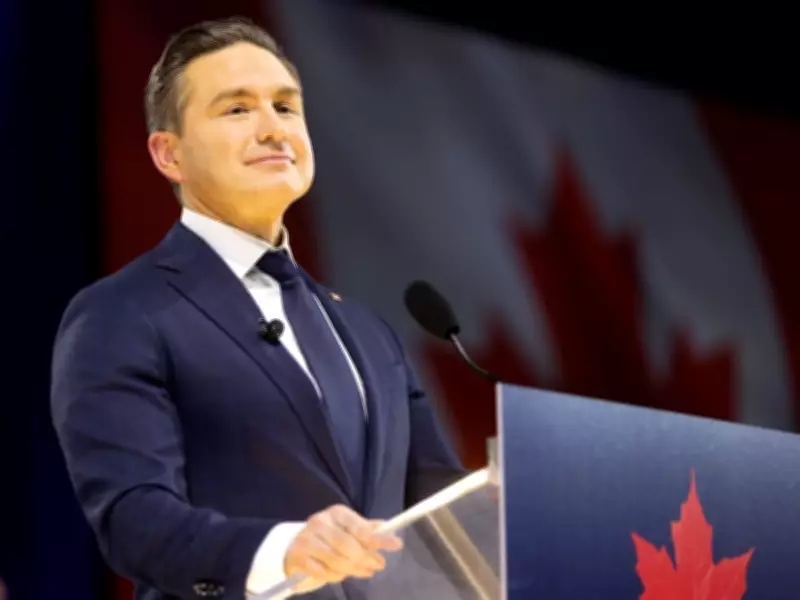
At the recent National Conservative Convention in Calgary, party members demonstrated overwhelming support for leader Pierre Poilievre while preparing for what many anticipate could be a spring election call from the Liberal government. The atmosphere was charged with strategic discussions about how to approach a potential electoral contest against Prime Minister Mark Carney.
Inside the Conservative Planning Sessions
Brian Lilley, reporting directly from the convention floor, captured exclusive insights from key Conservative figures about their electoral preparations. The conversations revealed a party confident in its position and actively developing tactics to challenge what they perceive as Carney's vulnerabilities.
Longtime Conservative MPs Michelle Rempel-Garner and Chris Warkentin shared their perspectives on why they believe Carney might be more susceptible at the ballot box than conventional wisdom suggests. Their analysis pointed to specific policy areas and demographic shifts that could work to the Conservative advantage in a snap election scenario.

Strategic Planning and Organizational Insights
Campaign manager Steve Outhouse provided details about the Conservative election strategy framework, discussing how the party would mobilize resources and messaging when an election is called. His comments highlighted the importance of timing and rapid response capabilities in a potential snap election situation.
Gary Keller, a veteran of Conservative organizational politics, offered insights into what factors might be giving Carney second thoughts about election timing. Keller's experience provided context for understanding the strategic calculations happening on both sides of the political divide.
Changing Party Image and Voter Perceptions
Jamil Jivani discussed the Conservative Party's evolving image among Canadian voters, with particular emphasis on younger demographics. His observations pointed to deliberate efforts to broaden the party's appeal and address perceptions that might have limited Conservative support in previous elections.
The convention discussions revealed several key themes that will likely shape Conservative strategy:
- Leadership stability with Pierre Poilievre receiving strong endorsement from party members
- Strategic anticipation of a potential spring election call from the Liberal government
- Targeted messaging designed to highlight perceived weaknesses in Carney's position
- Organizational readiness for rapid campaign deployment
- Image transformation efforts to appeal to broader voter demographics
These strategic elements combine to create what Conservative insiders describe as a comprehensive approach to countering Carney's advantages in a potential snap election. The party appears to be positioning itself not just to compete, but to actively challenge assumptions about electoral dynamics in the current political climate.
The convention's timing and content suggest Conservatives are operating with heightened awareness of election possibilities, preparing their ground game while refining their public messaging. This proactive stance reflects lessons learned from previous electoral cycles and an understanding of the unique challenges presented by potential snap election scenarios.