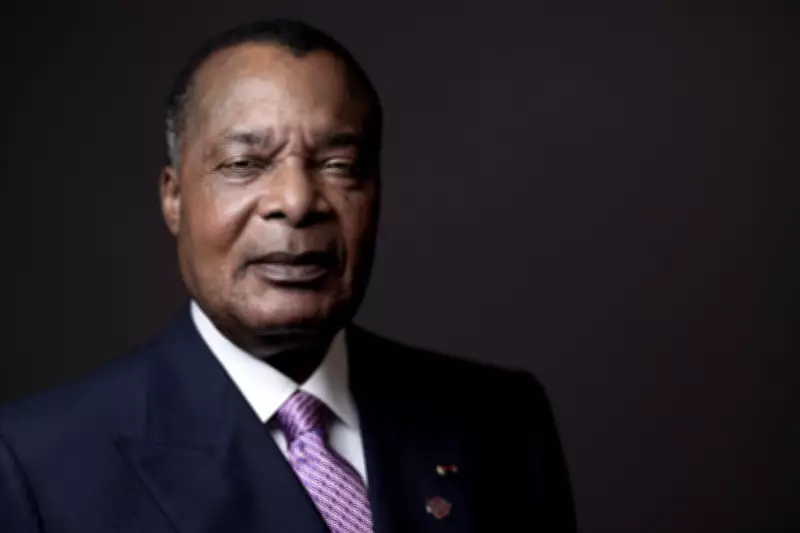
Congo-Brazzaville Holds Presidential Election with Incumbent Favored to Win
Citizens of the Republic of the Congo, commonly known as Congo-Brazzaville, are participating in a presidential election that is widely anticipated to result in the extension of President Denis Sassou Nguesso's long-standing rule. The vote, held on March 15, 2026, marks a critical moment in the nation's political landscape, with the incumbent leader seeking to maintain his grip on power after decades in office.
Political Context and Expectations
Denis Sassou Nguesso, who has served as president for over three decades across multiple terms, is the clear frontrunner in this election. His tenure has been characterized by periods of stability interspersed with political tensions and allegations of authoritarianism. Observers note that the electoral process unfolds against a backdrop of limited political competition, with opposition voices often facing challenges in gaining traction.
The voting process is being closely monitored by international bodies, though concerns about transparency and fairness have been raised in past elections. Supporters of Sassou Nguesso argue that his leadership has brought economic development and infrastructure improvements to the Central African nation, while critics point to issues such as corruption and human rights abuses.

Regional Implications and Broader Dynamics
This election holds significance beyond Congo-Brazzaville's borders, influencing regional politics in Africa. The outcome is expected to reinforce existing alliances and could impact diplomatic relations with neighboring countries and global powers. As resource-rich nations in the region navigate complex geopolitical landscapes, the stability—or potential instability—following the vote will be closely watched.
Analysts suggest that a victory for Sassou Nguesso would likely mean continuity in policies related to oil production, which is a cornerstone of the country's economy. However, challenges such as poverty and environmental degradation remain pressing issues for the incoming administration to address.
Voter Sentiment and Electoral Process
Reports from the ground indicate a mixed response from the electorate, with some expressing support for the incumbent due to perceived security and economic benefits, while others voice frustration over political stagnation and lack of alternatives. The electoral commission has implemented measures to facilitate voting, but logistical hurdles in remote areas could affect turnout.
In summary, the presidential election in Congo-Brazzaville is a pivotal event that underscores the enduring influence of Denis Sassou Nguesso. As votes are cast and counted, the nation awaits a result that is poised to shape its future trajectory for years to come, with implications resonating across the African continent.