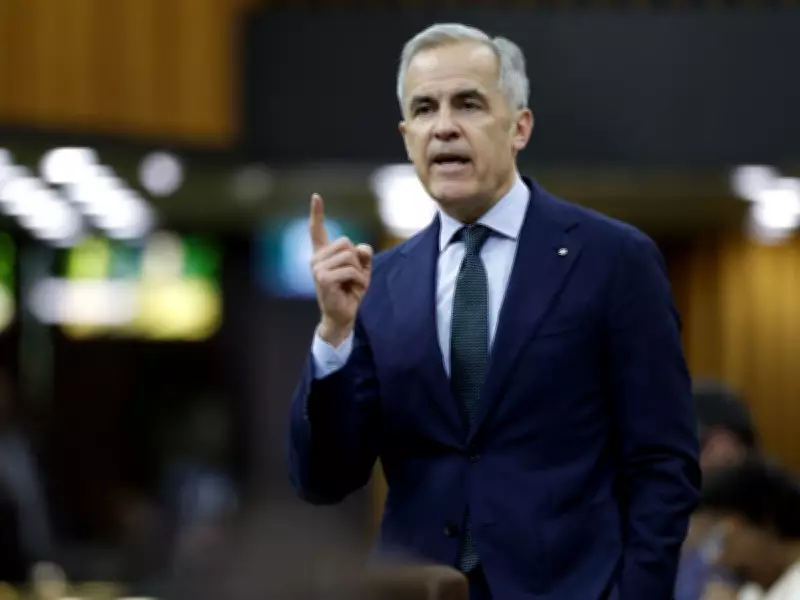
Prime Minister Mark Carney announced Tuesday that Alberta Premier Danielle Smith's referendum question on whether to remain in Canada will not be subject to the Clarity Act. Speaking during Question Period in the House of Commons, Carney stated that the federal government will not apply the law, which was originally enacted following Quebec's near-secession in the 1995 referendum.
Expert Report on Clarity Act Applicability
Carney emphasized that as prime minister, he must respect expert advice. He noted that he had just received an expert report on the applicability of the Clarity Act, which concluded that it does not apply to Alberta's question. The report was prepared by the federal Department of Justice, though Justice Minister Sean Fraser indicated that the legal analysis was still ongoing and would be formalized in the coming days.
Bloc Québécois Raises Concerns
For the second consecutive day, the Bloc Québécois used question period to press the government on whether it would invoke the Clarity Act for the first time. Bloc MPs argued that the law is an anti-democratic overreach and that Ottawa should have no say in the wording of referendum questions. They also called on the federal government to recognize that a clear majority means 50 percent plus one, a threshold not explicitly defined in the Clarity Act.

Carney's Response on Threshold
Carney responded, as previous federal governments have done, that the threshold in the Clarity Act would not be 50 percent plus one. He reiterated the government's respect for the will of Quebecers, stating, "We respect the will of Quebecers. That is to build a strong and resilient Quebec in a strong, resilient and independent Canada."
Alberta's Referendum Question
Smith's referendum question asks Alberta voters if they wish to remain in Canada or commence legal proceedings for a binding referendum on secession. This wording does not meet the Clarity Act's requirement that the question directly address secession from Canada, according to Fraser.