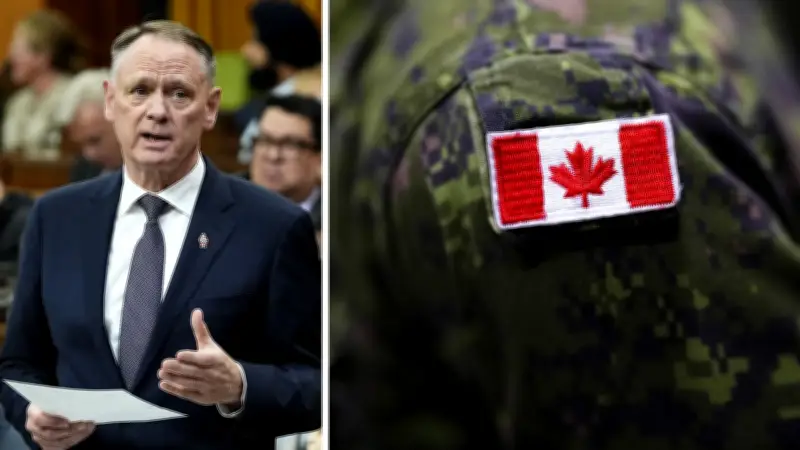
Canada's civilian justice system is set to take over the handling of sexual offence complaints from the military police, a significant shift in how such cases are processed within the armed forces. The change, announced by Minister of National Defence David McGuinty, aims to improve transparency and trust in the handling of sensitive cases.
Background of the Policy Change
For years, the military police had jurisdiction over sexual offence complaints involving military personnel. However, concerns about impartiality and a lack of confidence among victims prompted the government to reassign these cases to civilian authorities. The decision follows extensive consultations with advocacy groups, legal experts, and victims' families.
Key Details of the Transition
The transition will occur in phases, with the civilian justice system assuming full responsibility by the end of 2026. Military police will still provide support and initial response but will no longer lead investigations into sexual offences. Instead, cases will be referred to civilian police forces and prosecuted by civilian Crown attorneys.

- All new sexual offence complaints will be directed to civilian authorities immediately.
- Ongoing investigations will be reviewed and transferred where appropriate.
- Training programs for military personnel on reporting and support will be enhanced.
Reactions and Implications
The move has been praised by victim advocacy groups, who have long called for an independent system to handle such complaints. “This is a crucial step toward ensuring survivors receive fair treatment and justice,” said a spokesperson for the Canadian Military Sexual Trauma Support Group. However, some military officials have expressed concerns about the loss of internal control and potential delays in case processing.
Minister McGuinty emphasized that the change does not reflect on the capabilities of military police but rather addresses systemic issues. “We are committed to creating a culture of accountability and respect within the Canadian Armed Forces,” he stated.
The policy shift aligns with recommendations from several reports, including the 2021 Fish Report on sexual misconduct in the military. It also comes amid broader efforts to reform military culture and address longstanding issues of harassment and assault.
Next Steps
The Department of National Defence will work closely with provincial and territorial justice partners to ensure a seamless transition. A monitoring committee will be established to track progress and address any challenges that arise. The government has also allocated additional funding for civilian police training and victim support services.
This change marks a landmark moment in Canadian military justice, signaling a move toward greater civilian oversight and accountability in handling sexual offences.