Greg Kearney, an editorial cartoonist from Topeka, Kansas, and a member of the Church of Jesus Christ of Latter-Day Saints (LDS), is leveraging the organization's extensive genealogical database to help his wife prove her Canadian ancestry and obtain citizenship. The couple's journey highlights a growing trend among Americans seeking Canadian nationality through recently changed citizenship laws.
A Path to Citizenship Through Ancestry
Kearney, who already holds a Canadian passport through his father's side, wanted to extend the same privilege to his wife. Her Canadian roots run deep, tracing back to her great-grandfather, a Protestant from Sherbrooke, Quebec. Under Canada's new legislation, Bill C-3, known as the "Lost Canadians Act," anyone with a direct ancestor born in Canada, regardless of how many generations back, can claim citizenship. This law, which came into effect in December, has sparked a surge in applications from Americans eager to reconnect with their heritage.
The Role of FamilySearch
The LDS church's FamilySearch database has become a crucial resource for these applicants. Lynn Turner, director of the FamilySearch Library, noted an uptick in users searching Canadian archives. "We do know that people use our resources to seek out documents for citizenship," Turner told the Salt Lake Tribune. "Our resources are there for them to use, and we wish them success." The database contains over 30 million records from Canada, including census data dating back to 1851, broken down by province and territory.

Kearney explained that while FamilySearch provides valuable leads, it is not considered an authoritative source by the government. "The government won't take FamilySearch's word for it, nor should they really," he said. However, the database often includes images of original documents, such as baptismal records or census entries, which are essential for official applications. "Those sources will often have images of the original document attached to it," Kearney added. "And that's what people need."
Tracing a Long Lineage
For Kearney's wife, the genealogical journey went back centuries. The search led them to the "filles du roi" (King's Daughters), a program sponsored by French King Louis XVI in the mid-1600s that sent young women to New France to boost the population through childbirth. "They go back a long way but you don't have to," Kearney noted. "All you have to do is get to the Canadian ancestor closest to you." Despite the extensive history, the process required additional legwork. "I ended up having to contact the Anglican Diocese of Quebec and get a baptismal record," he recalled, emphasizing the need for official documents beyond the database.
A Surge in Interest
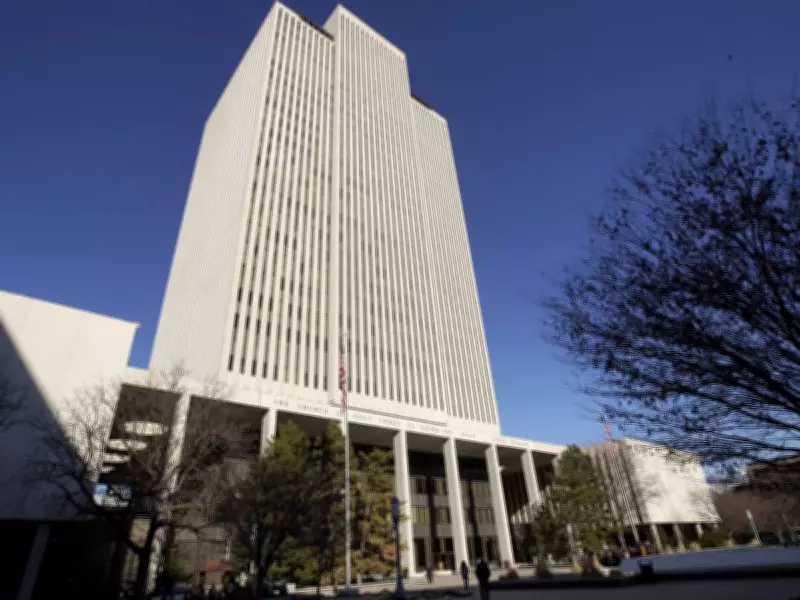
Archivists and genealogists across Canada have reported a flood of inquiries from Americans hoping to prove their Canadian connections. The LDS church, headquartered in Salt Lake City, Utah, has seen a particular increase in requests for Canadian records. FamilySearch, the church's online archive, holds nearly 17 billion searchable names, making it a powerful tool for those tracing their roots. Kearney, who also uses his French language skills to navigate historical records, remarked, "I must say, my French has been getting a real workout."
The intersection of church resources and government policy has created a unique pathway for citizenship. As Kearney and his wife continue their journey, their story exemplifies how modern technology and historical records can unite families across borders.