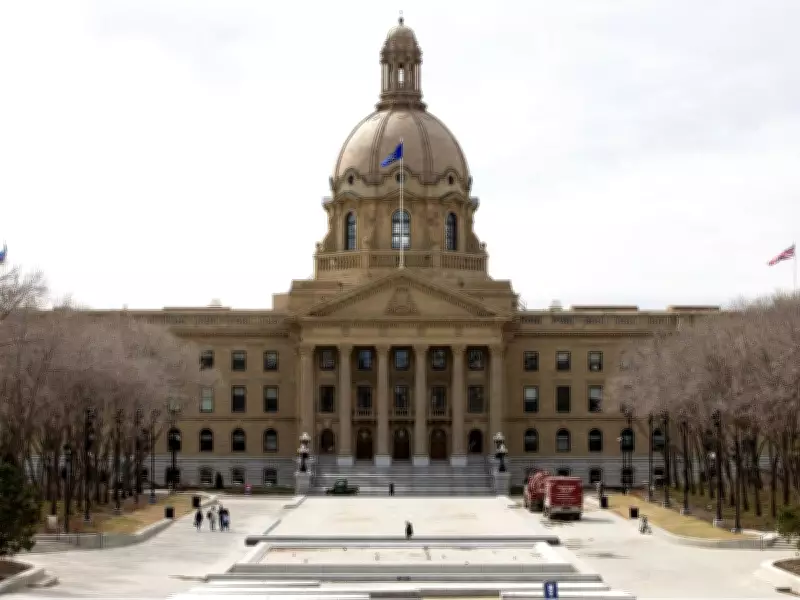
Alberta's acting chief justice has declined to circulate a request for appointments to chair the independent advisory panel on electoral boundaries, citing irregularities in the process.
Chief Justice's Decision
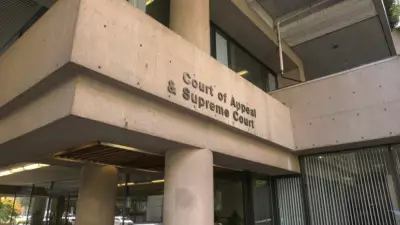
In a letter to the special electoral boundaries committee chairman and UCP MLA Brandon Lunty, acting Alberta Chief Justice Dawn Pentelechuk stated that the courts will not circulate the request or provide input on the selection of the chair due to the “irregularity” of the process and based on legal advice.
Alberta NDP house leader Christina Gray read from the letter during a Tuesday committee meeting, quoting: “We make no judgment at this time as to the propriety of the legislation which was enacted after the Electoral Boundaries Commission completed its work pursuant to the Electoral Boundaries Commission Act.”

The letter further noted that when governments establish “properly constituted commissions,” the chief justice of Alberta is always consulted for advice on current or retired judges who may be interested in taking on the role.
Background of the Request
On May 4, Lunty asked Pentelechuk to circulate the government’s call for self-nominations from retired or current judges of the Court of King’s Bench or the Court of Appeal of Alberta for appointment as chair to the independent advisory panel.
Despite the chief justice's refusal, the UCP majority committee passed a motion on Tuesday to circulate its request for appointments to the presidents of all post-secondary institutions, the ministry of justice, the Canadian Bar Association of Alberta, and the Law Society of Alberta, bypassing the chief justice's decision.
Opposition Concerns
Alberta NDP members Gray and Kathleen Ganley voted against the motion. The committee also passed a motion requesting $450,000 in funding to complete the work.
Speaking to reporters later Tuesday afternoon, Lunty did not say whether the $450,000 expenditure was fiscally prudent. He stated that panel members should be properly compensated and that “any monies that is allocated, but not spent, is returned to the government.”
Gray told reporters the committee should heed Pentelechuk’s advice. She called the process illegitimate and expressed concerns about the $450,000 request, noting that more than $1 million was already spent to develop the electoral boundaries commission report, which was later scrapped.
Opposition Motion Defeated
The Opposition introduced a motion to send an interim report to the assembly outlining concerns with the process, including the acting chief justice’s refusal to participate. The report would have stopped the work of the committee, but it was defeated.
“The government has voted down every attempt at transparency, even the letter from the acting chief justice, which is going to become public with the meeting minutes. They rejected making it public today. It’s very, very frustrating,” Gray said.