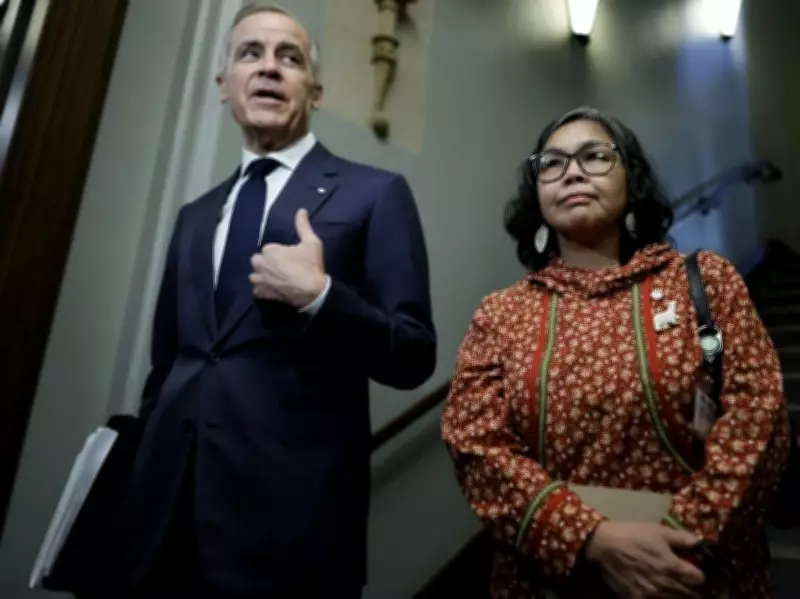
Prime Minister Mark Carney is on the brink of solidifying a majority government, a development that ensures Pierre Poilievre will remain in his role as opposition leader for the foreseeable future. This political shift comes amid defections and upcoming byelections that favor the Liberal Party, setting the stage for a prolonged period of Conservative opposition.
Political Landscape Shifts with Defections and Byelections
The recent decision by Lori Idlout to leave the NDP and join the Liberals, coupled with expectations that Carney's team will win at least two, if not all, byelections next month, has dramatically altered the parliamentary balance. These moves are set to grant Carney the majority he needs, effectively locking Poilievre into what he has humorously called "the worst damn job in the country."
Poilievre's Challenges and Public Perception
In a recent podcast interview with Peter Mansbridge, Poilievre acknowledged the difficulties of his position, noting its thankless nature. With Carney's majority likely to delay the next federal election until at least October 2029, Poilievre faces a tough slog ahead. His approval ratings have shifted since the 2024 highs, when he was seen as a strong counter to Justin Trudeau. According to Abacus Data, Poilievre's current approval stands at 37% positive and 44% negative, compared to Carney's 50% positive and 30% negative.

Public opinion has evolved, particularly after Donald Trump's election and Trudeau's resignation, with voters now seeking stability over confrontation. This change has benefited Carney, a former central banker perceived as a steady hand, while Poilievre struggles to maintain his appeal in this new environment.
Liberal Strategies and Poilievre's Future
Liberal House Leader Steve MacKinnon has indicated that the party is actively courting more MPs to cross the floor, potentially expanding Carney's majority further. MacKinnon argues that Canadians in Conservative ridings desire representatives who focus on proposing solutions rather than opposition tactics. Poilievre, however, is likely to resist such defections, emphasizing party unity.
The question remains whether Poilievre will choose to stay in his role, given its challenges. Despite the job's difficulties, there is currently no organized opposition against him within the Conservative Party, and he received an 87.4% approval rating from party delegates in January. His future may hinge on his ability to improve his public approval and adapt to the changing political dynamics.
External Factors and Long-Term Outlook
Looking ahead to 2029, external factors such as U.S. politics will play a significant role. Regardless of who occupies the White House—whether J.D. Vance, Marco Rubio, Gavin Newsom, or another candidate—protectionist policies are expected to persist, influencing Canada's trade relations. Additionally, Carney's own plans are uncertain; those close to him suggest he may not seek a second term, aiming instead to address key issues and move on.
This evolving landscape leaves Poilievre at a crossroads. As one of Carney's favorite bands might ask, does he stay or does he go? For now, the bet is on him staying, but the political winds could shift again before the next election cycle.