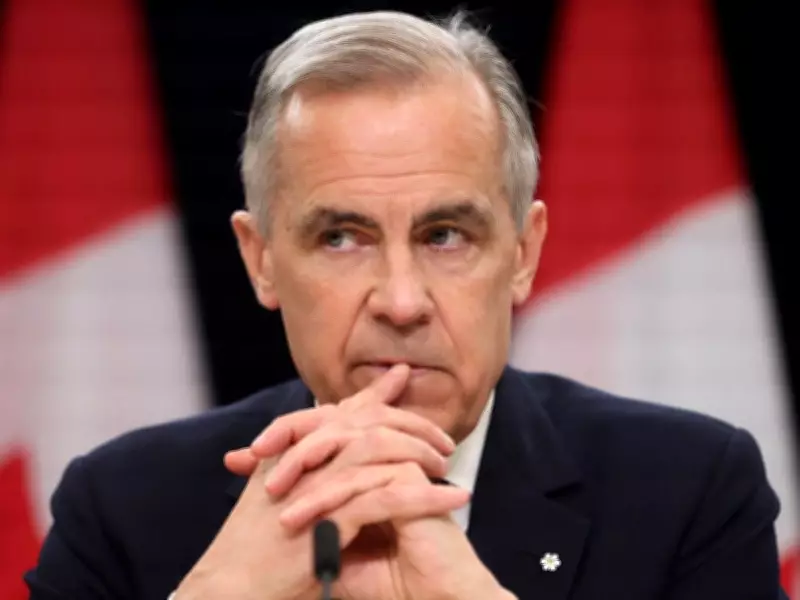
Carney's Parliamentary Maneuver Sparks Constitutional Debate and Public Outrage
The political landscape in Ottawa has been dramatically reshaped by Conservative MP Marilyn Gladu's decision to cross the floor and join the Liberal caucus, effectively guaranteeing Prime Minister Mark Carney a parliamentary majority. This strategic move, while constitutionally permissible, has ignited a firestorm of controversy and raised fundamental questions about democratic representation.
Constituent Backlash and Democratic Concerns
The announcement has not been met with universal approval, particularly among Gladu's constituents in Sarnia–Lambton–Bkejwanong. One resident expressed outrage on social media, questioning the representative's disregard for voter sentiment: "She thinks she knows better than her voters? What is the flipping point? You wonder why people get radicalized? This is why people get radicalized."
This sentiment underscores the growing disconnect between elected officials and the electorate they purport to represent. The floor-crossing phenomenon has become increasingly contentious as voters question whether their democratic choices are being undermined by political opportunism.

The Path to Parliamentary Majority
With Gladu's defection, the Liberal party has effectively secured a parliamentary majority, despite potential setbacks in upcoming byelections in Toronto's University–Rosedale and Scarborough Southwest. While the Terrebonne byelection in Quebec remains competitive, Gladu's conversion has diminished its strategic importance for the governing party.
This majority has been achieved through a calculated strategy of luring opposition MPs across the floor. The list of defectors now includes Michael Ma, Chris d'Entremont, Matt Jeneroux from the Conservative ranks, and Lori Idlout from the NDP. Political observers speculate that more defections may follow, noting that Gladu ceased public criticism of the Liberals under her own name after March 21.
The Hypocrisy of Political Defection
The situation is particularly ironic given Gladu's previous stance on floor-crossing. Earlier this year, the 64-year-old professional engineer supported a petition sponsored by her former caucus colleague Liane Rood that argued unrestricted floor-crossing erodes voter trust and called for automatic byelections for defectors.
In January, Gladu told the Petrolia Lambton Independent: "Really, the whole point of being an MP is to represent your constituents. So if they're voting you in under one platform — for you to switch for whatever reasons, just seems to me to not be representing what you're supposed to be there to represent." Her recent actions stand in stark contrast to these earlier principles.
Political Fallout and Security Concerns
The Liberal party may celebrate reaching the "Elysian Fields of majority," which removes many parliamentary constraints imposed by last spring's election results, but the victory comes with significant risks. Former Freedom Convoy leader Tom Marazzo warned on social media: "If Carney gets his majority by floor-crossing … we make Ottawa wish it was the Freedom Convoy."
While Marazzo represents what many consider the extremist fringe of political discourse, his criticism touches on legitimate concerns about the erosion of democratic norms. He correctly mocks claims by MPs that restrictions on floor-crossing would impinge on their individual rights, noting instead that "most politicians are power hungry and go where they can get the most personal benefits for themselves."
Constitutional Permissibility Versus Political Prudence
The fundamental question raised by this political drama extends beyond partisan advantage to constitutional principles. While Westminster parliamentary systems traditionally incorporate floor-crossing as an accepted feature, the practice becomes problematic when used systematically to overturn electoral outcomes.

Prime Minister Carney's power play demonstrates that what is constitutionally possible may not be politically prudent. The Liberal majority, achieved through opposition defections rather than electoral mandate, risks alienating voters and undermining public trust in democratic institutions. As the political landscape continues to evolve, the long-term consequences of this strategic maneuver remain uncertain, but the immediate backlash suggests that playing with parliamentary explosives carries significant risks for all involved.